
Astrological Insights for PK's Festive Seasons
Introduction: The Intersection of Astrology and Festive Seasons in Pakistan
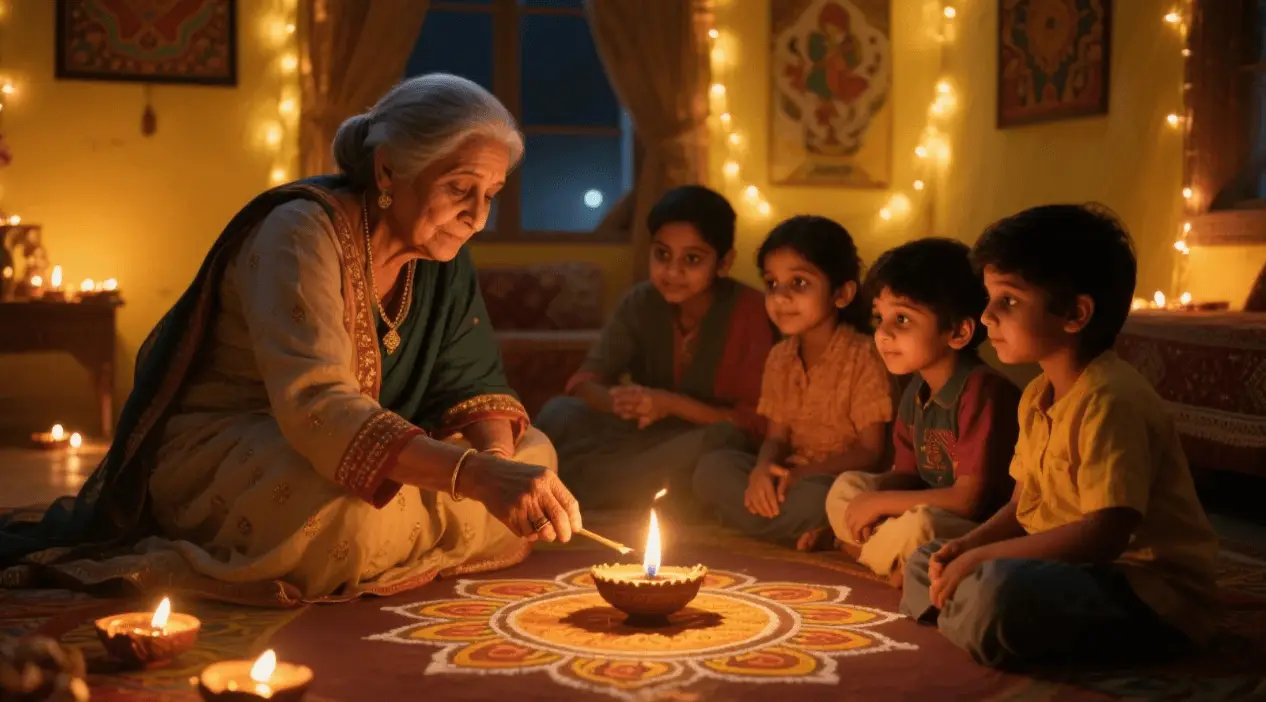
Astrology, a timeless practice rooted in celestial movements, has long been intertwined with the vibrant tapestry of cultural celebrations in Pakistan. From the bustling streets of Lahore during Eid-ul-Fitr to the serene gatherings under the stars during Diwali, the influence of zodiac signs subtly guides the mood, rituals, and even decisions made by individuals and families. As we delve deeper into this fascinating intersection, it becomes evident that understanding the astrological insights behind these festive seasons can enhance our appreciation and participation in these cherished traditions. This article explores how astrology influences the festive spirit in Pakistan, offering valuable perspectives on aligning one’s life with cosmic energies during significant cultural celebrations.
Historical Context of Astrology in Pakistani Traditions
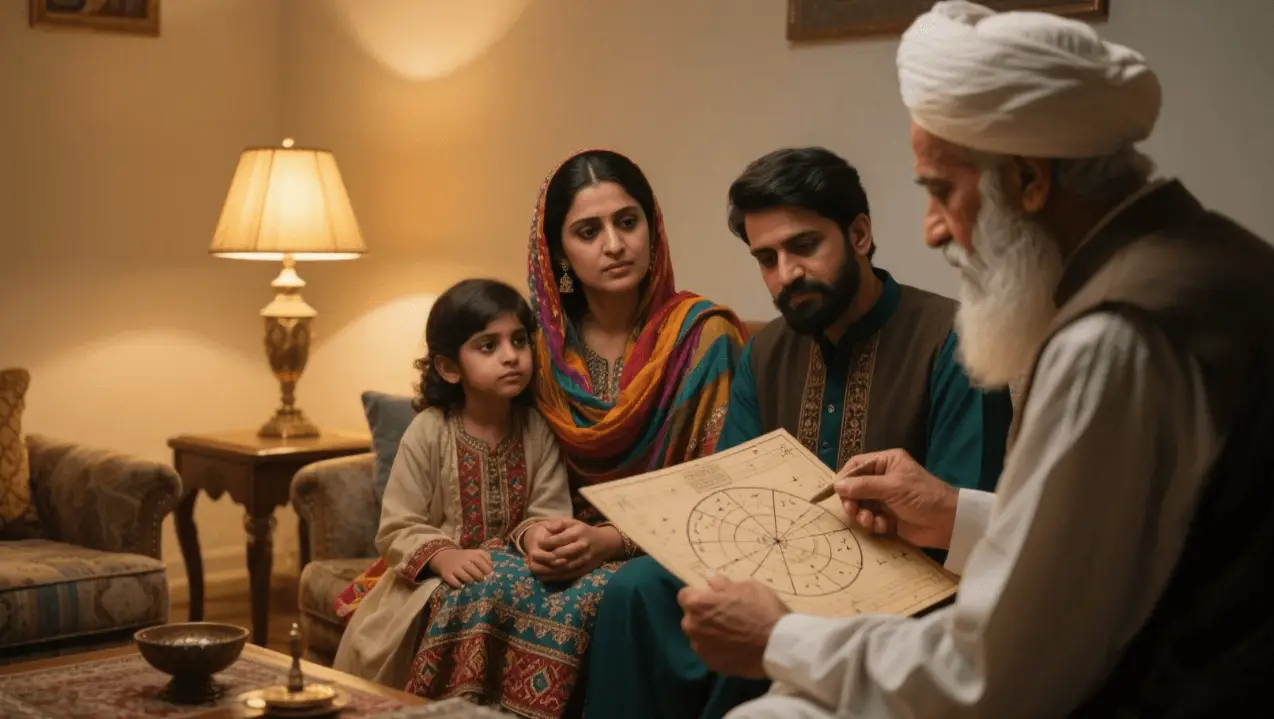
The historical significance of astrology in Pakistan dates back centuries, where ancient civilizations used celestial bodies to guide their daily lives and predict future events. In Vedic astrology, which forms the foundation of many South Asian astrological practices, each zodiac sign is believed to possess unique characteristics that resonate with human behavior. Over time, these beliefs have seamlessly integrated into Pakistani traditions, influencing everything from marriage ceremonies to business decisions. For instance, many families consult astrologers before setting auspicious dates for weddings or other major life events. This deep-root of astrology in cultural practices underscores its enduring relevance today.
Evolution of Astrological Practices Over Time
As society evolves, so do the ways in which astrology is practiced and perceived. While traditional methods relied heavily on hand-drawn charts and oral consultations, contemporary approaches incorporate technology and digital platforms to reach broader audiences. Despite these advancements, the core principles remain unchanged—astrology continues to serve as a guiding light for navigating life's complexities, especially during festive seasons when emotions run high and decisions are often impulsive. By understanding the historical context of astrology in Pakistan, we gain a richer perspective on its continued importance in shaping modern-day traditions.
Zodiac Influence on Festive Seasons in Pakistan
Each zodiac sign brings its own energy and vibrancy to the table, influencing how individuals experience and celebrate festive seasons. For example, Aries, known for their fiery enthusiasm, may lead community initiatives organize grand events during festivals like Eid-ul-Azha. On the other hand, Taurus, with their love for beauty and luxury, might focus on decorating homes or preparing elaborate feasts. Similarly, Scorpios, who thrive on emotional connections, could prioritize spending quality time with loved ones during Diwali or Christmas.
Case Study: Zodiac Traits During Major Celebrations
Let us examine two prominent celebrations in Pakistan—Eid-ul-Fitr and Diwali—and analyze how different zodiac signs contribute uniquely to these occasions. During Eid-ul-Fitr, Leo individuals often take center stage, orchestrating family gatherings and ensuring everyone feels included. Meanwhile, Virgos, meticulous by nature, ensure every detail is perfect, from food arrangements to gift selections. Conversely, during Diwali, Gemini personalities shine through their ability to connect effortlessly with others, fostering joyous conversations and laughter-filled moments. Such examples illustrate the profound impact zodiac influences have on shaping individual experiences within collective festivities.
Cultural Celebrations Through an Astrological Lens
Astrology offers a unique lens through which we can view and appreciate cultural celebrations more deeply. It helps explain why certain traditions feel more fulfilling at specific times or why particular activities resonate strongly with some people but not others. For instance, Libras, who value harmony and balance, may find solace in resolving conflicts or strengthening relationships during Ramadan—a month dedicated to reflection and renewal. Similarly, Sagittarians, driven by wanderlust and exploration, might embrace travel opportunities during holidays, seeking new adventures and broadening their horizons.
Comparison Between Traditional and Modern Interpretations
While traditional interpretations emphasize strict adherence to astrological guidelines, modern perspectives encourage flexibility and personalization. Today, individuals increasingly rely online resources and apps to understand their zodiac influences better, tailoring their festive preparations accordingly. This shift reflects a growing recognition of astrology as a tool for self-awareness rather than rigid prediction. By blending traditional wisdom with contemporary tools, Pakistanis create meaningful experiences that honor both heritage and innovation.
Astrological Predictions for Upcoming Festive Seasons
Looking ahead to the upcoming festive seasons, astrological forecasts provide valuable insights for planning and preparation. Based on planetary alignments and zodiac tendencies, here are some predictions for key celebrations:
- Eid-ul-Fitr 2024: With Jupiter entering Pisces, expect heightened creativity and spiritual awareness. Individuals born under water signs (Cancer, Scorpio, Pisces) will likely feel inspired to express themselves artistically during this period.
- Diwali 2024: Mercury retrograde occurring shortly before Diwali suggests exercising caution in communication-related matters. Air signs (Gemini, Libra, Aquarius) should pay extra attention to clarity and diplomacy while exchanging greetings or gifts.
Practical Tips for Aligning Personal Plans with Astrological Insights
To make the most of these astrological insights, consider incorporating simple yet effective strategies into your festive routine. For example, Capricorns, known for their practicality, can benefit from creating detailed schedules to manage busy holiday periods efficiently. Alternatively, Pisces, inclined toward introspection, might dedicate quiet moments to journaling or meditating amidst the festivities. These personalized approaches ensure that everyone finds joy and fulfillment in their respective ways.
Conclusion: Embracing the Astrological Impact on Festive Seasons
In conclusion, astrology serves as a powerful framework for understanding and enhancing the festive seasons in Pakistan. By recognizing the distinct contributions of each zodiac sign and embracing astrological insights, individuals can enrich their cultural celebrations and forge deeper connections with loved ones. Whether you follow age-old traditions or adopt innovative practices, the essence of astrology lies in its ability to inspire growth, harmony, and celebration. As we move forward, let us continue exploring the intricate relationship between astrology and festive seasons, celebrating the diversity and richness they bring to our lives.
Zain Khan
|
2025.05.28


