
Moon Phases and Their Role in Ganesh Chaturthi Celebrations
Introduction
In the rich tapestry of Hindu traditions, the correlation between moon phases and religious observances forms an intricate pattern that has endured for millennia. Among these sacred celebrations, Ganesh Caturthi emerges as particularly significant due to its deep connections with lunar astrology. This vibrant festival, dedicated to Lord Ganesha - the elephant-headed deity of wisdom and new beginnings - showcases how celestial movements influence cultural practices. By exploring the relationship between moon phases and Ganesh Caturthi, we uncover timeless wisdom that continues to guide millions of devotees in their spiritual journeys while offering valuable insights into the principles of lunar astrology that govern these ancient traditions.
Understanding Moon Phases
What Are Moon Phases?
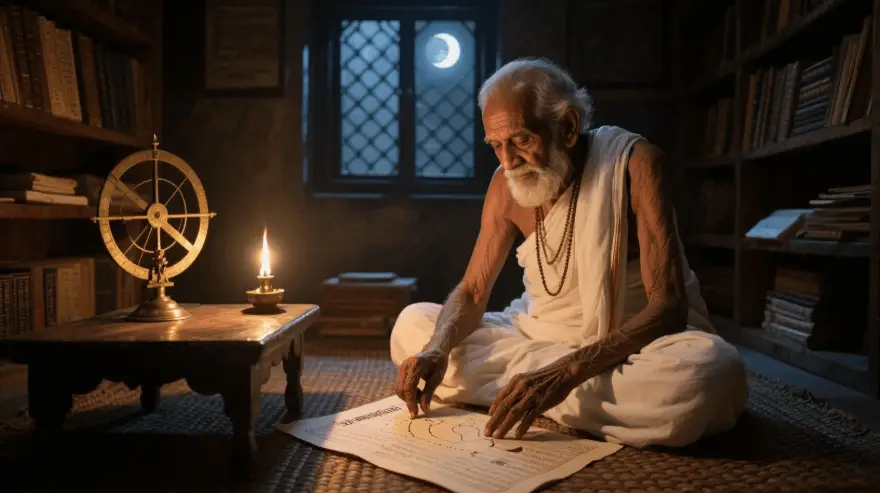
The celestial dance between Earth, moon, and sun creates the phenomenon we observe as moon phases - the cyclical changes in the moon's appearance from our planetary perspective. This cosmic ballet results from the moon's orbit around Earth, which takes approximately 29.5 days to complete. During this lunar month, the visible portion of the moon illuminated by sunlight changes progressively from new moon (complete darkness) through waxing phases to full moon (complete illumination), then through waning phases back to new moon. These transformations form the foundation of numerous traditional calendars worldwide, including the Hindu lunar calendar which governs the timing of festivals like Ganesh Caturthi.
Importance of Moon Phases in Lunar Astrology
Lunar astrology, particularly within the Vedic tradition, attributes profound significance to different moon phases, considering them powerful influencers of earthly affairs. The waxing moon period is traditionally associated with growth, accumulation, and constructive activities, making it ideal for initiating new ventures. Conversely, the waning moon phase is viewed as optimal for letting go, removing obstacles, and completing projects. These astrological principles directly inform religious practices during Ganesh Caturthi, where specific rituals are timed to coincide with particular lunar phases believed to enhance their spiritual efficacy and cosmic alignment.
Ganesh Caturthi: A Festival Rooted in Lunar Traditions
Historical Context of Ganesh Caturthi
The origins of Ganesh Caturthi trace back through centuries of Indian history, with references appearing in ancient Sanskrit texts. However, the festival gained its contemporary form during the Maratha Empire's reign, particularly under the patronage of Chhatrapati Shivaji. The modern public celebration was revitalized in the late 19th century by Indian nationalist leader Lokmanya Tilak, who transformed it into a tool for cultural unity under British rule. Throughout its evolution, the festival's timing has remained inextricably linked to lunar cycles, specifically the fourth day (Chaturthi) of the waxing moon in the Hindu month of Bhadrapada, demonstrating how moon phases continue to shape religious observance even in modern contexts.
Role of Moon Phases in Ganesh Caturthi Celebrations
The selection of auspicious moments for Ganesh Caturthi rituals exemplifies the precision of lunar astrology applications. Astrologers consult detailed almanacs (Panchangas) to determine the exact window for Ganesha idol installation, which must occur during Shukla Paksha (bright fortnight) Chaturthi tithi when the moon is in specific constellations. This careful timing stems from ancient beliefs that certain lunar positions amplify divine energies, making prayers more potent. The festival's conclusion through idol immersion (Visarjan) similarly aligns with waning moon phases, symbolizing the cyclical nature of creation and dissolution in Hindu cosmology. These practices demonstrate how moon phases serve as celestial guideposts for spiritual activities during Ganesh Caturthi.
Practical Implications of Lunar Astrology in Festivals
Planning Festivals According to Moon Phases
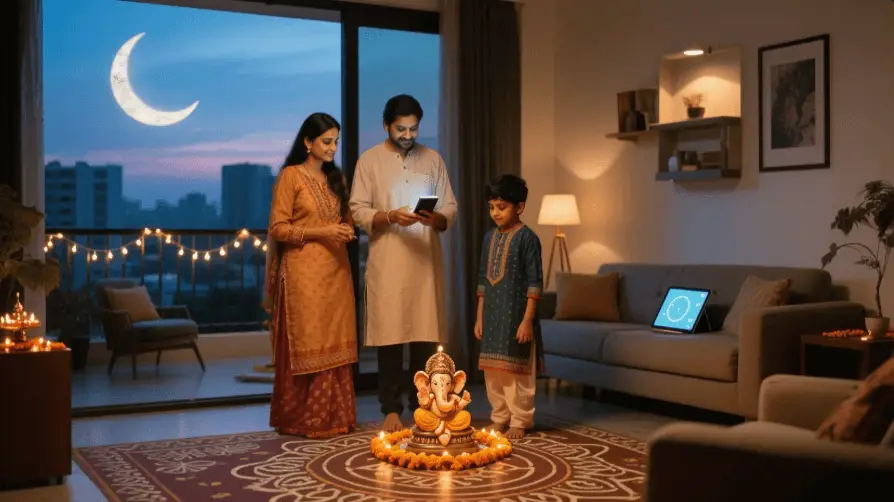
The methodology behind scheduling Ganesh Caturthi reveals the sophisticated integration of astronomy and spirituality in Hindu tradition. Priests and astrologers employ complex calculations considering multiple lunar factors: the moon's angular distance from sun (tihi), its position relative to stars (nakshatra), and its celestial longitude. When these elements converge auspiciously, the period becomes ideal for invoking Lord Ganesha's blessings. Modern technology has enhanced this process, with mobile apps and software now providing accurate lunar phase data, yet the fundamental astrological principles remain unchanged. This fusion of ancient wisdom and contemporary tools showcases the dynamic nature of lunar astrology in festival planning.
Impact on Devotees' Lives
Beyond ceremonial aspects, adherence to lunar calendars during Ganesh Caturthi profoundly influences devotees' personal and communal lives. Many families time important decisions - from business launches to educational endeavors - to coincide with favorable moon phases surrounding the festival. There exists a widespread belief that initiatives begun during properly aligned lunar periods encounter fewer obstacles, echoing Lord Ganesha's role as remover of barriers. Community celebrations also synchronize with these cosmic timings, creating shared spiritual experiences that reinforce social bonds. These practices illustrate how moon phases in Ganesh Caturthi serve as bridges connecting individual spirituality with collective cultural identity.
Modern Interpretations and Challenges
Adapting Ancient Traditions to Modern Times
Contemporary society presents both opportunities and challenges for maintaining lunar astrology traditions in Ganesh Caturthi celebrations. Urbanization and globalization have led to innovative adaptations, such as eco-friendly clay idols that address environmental concerns while honoring ritual requirements tied to moon phases. Digital platforms enable virtual participation for diaspora communities who still wish to observe auspicious timings. However, these changes also spark debates about preserving authenticity versus accommodating modern lifestyles. The enduring solution appears to lie in understanding the underlying spiritual principles behind lunar alignments rather than rigid adherence to superficial practices, allowing tradition to evolve while maintaining its essence.
Addressing Skepticism Around Lunar Astrology
Scientific scrutiny of lunar astrology's influence on Ganesh Caturthi and other festivals has generated both criticism and surprising validations. While some dismiss moon phase considerations as superstition, emerging research reveals intriguing connections between lunar cycles and biological rhythms. Studies in chronobiology suggest that the moon's gravitational effects on Earth's water systems may subtly influence human physiology and behavior. These findings don't necessarily validate all astrological claims but do suggest that traditional practices based on moon phases may have observable foundations. This developing scientific perspective encourages more nuanced discussions about lunar astrology's role in cultural traditions like Ganesh Caturthi.
Conclusion
The intricate relationship between moon phases and Ganesh Caturthi celebrations offers a fascinating lens through which to examine humanity's enduring connection with celestial patterns. From determining festival dates to shaping ritual practices, lunar astrology provides a cosmic framework that has guided Hindu traditions for generations. As we navigate an increasingly technological world, these ancient systems remind us of our place within nature's rhythms. The continued observance of moon phases during Ganesh Caturthi represents not mere tradition, but a living dialogue between earthly existence and cosmic order - a testament to India's profound astronomical heritage and its vibrant spiritual legacy that continues to illuminate modern lives.
Sharma
|
2025.05.28


