
The Connection Between Vedic Astrology and Navratri Rituals
The profound connection between Vedic astrology and Navratri tuals offers a fascinating lens through which to understand this sacred festival. Navratri, meaning "nine nights," represents one of India's most spiritually significant celebrations, deeply rooted in cosmic principles that govern our existence.
The Ancient Origins of Navratri in Vedic Astrology
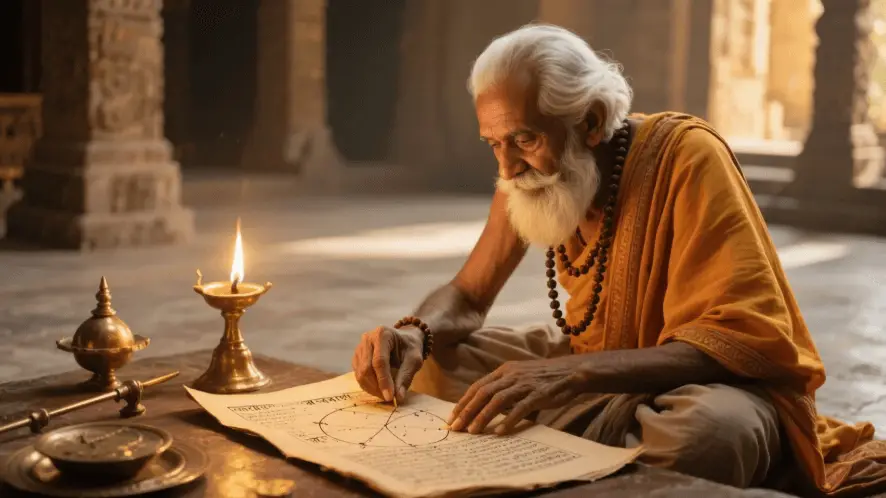
Historical records reveal that Navratri celebrations were meticulously timed according to Vedic astrology principles. The festival marks the period when divine feminine energy, personified by Goddess Durga, overcomes darkness, with specific planetary configurations enhancing spiritual practices.
Vedic Astrology's Role in Traditional Indian Festivals
Ancient sages developed sophisticated systems to track planetary movements, creating muhurats (auspicious timings) for religious observances. Navratri's scheduling based on lunar phases demonstrates how Vedic astrology shapes Hindu festival calendars, particularly through the analysis of nakshatras (lunar mansions) and their corresponding deities.
Core Vedic Astrology Concepts Governing Navratri Practices
The nine nights of Navratri correspond to different planetary influences that modern astrologers still observe. Each phase carries distinct energetic qualities that practitioners can harness through specific rituals and practices aligned with cosmic rhythms.
Planetary Alignments During Navratri
Mars dominates the initial three days, supporting the destruction of negative tendencies, while Venus influences the middle phase dedicated to cultivating prosperity. Jupiter's expansive energy governs the final segment, facilitating spiritual enlightenment. The Sun's position during Navratri determines the intensity of cosmic blessings received by devotees.
Lunar Cycle's Impact on Ritual Timing
The waxing moon phase (Shukla Paksha) typically hosts Navratri, as this period symbolizes growth and abundance. Vedic astrology emphasizes performing certain pujas during specific lunar transits to amplify their effects, particularly when the moon occupies Cancer or Leo, signs associated with divine mother energy.
Vedic Astrology Interpretations of Navratri Rituals
Traditional Navratri practices contain profound astrological wisdom that modern practitioners continue to validate through empirical observation and celestial mapping.
Astrological Basis of Navratri Fasting
Vedic astrology explains fasting as a method to counteract malefic planetary influences while enhancing Jupiter's benefic effects. The practice purifies the physical body and subtle energy channels, allowing for clearer reception of cosmic vibrations during this spiritually charged period.
Planetary Deities and Durga's Nine Forms
Each form of Goddess Durga connects to specific planetary energies - from Shailputri (Moon) to Siddhidatri (Ketu). Worshipping these manifestations according to one's birth chart can help balance planetary imbalances and activate dormant spiritual potential.
Contemporary Applications of Vedic Astrology in Navratri
Modern astrologers have developed innovative ways to personalize Navratri observances based on individual horoscopes. By analyzing one's planetary dashas (periods) and transits, practitioners can determine the most auspicious days for specific rituals during the nine nights.
Scientific studies now validate many traditional practices, showing measurable changes in brainwave patterns during mantra recitation and demonstrable health benefits from seasonal fasting aligned with astrological timings.
Integrating Vedic Wisdom for Spiritual Advancement
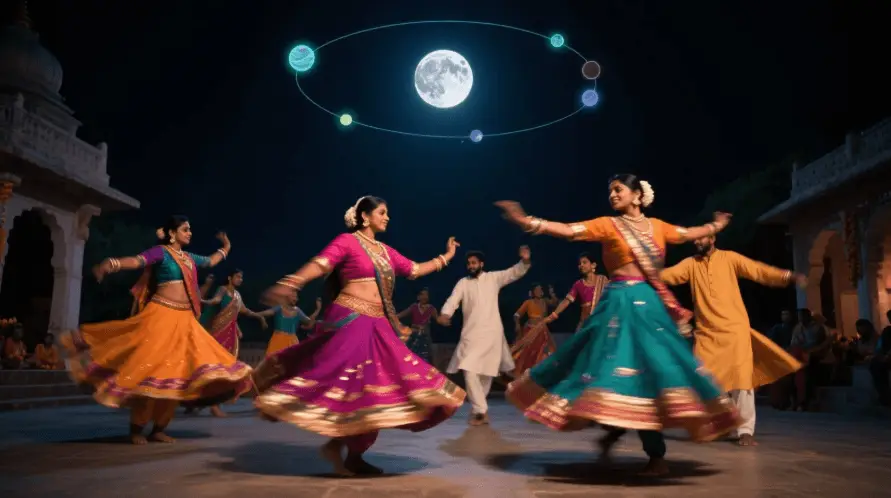
The synthesis of Vedic astrology and Navratri tuals provides a powerful framework for personal transformation. By understanding the celestial mechanics behind traditional practices, modern seekers can engage with these ancient traditions more consciously and effectively.
Those interested in deeper exploration might consult a Vedic astrologer to create a personalized Navratri sadhana (spiritual practice) based on their unique planetary configurations. Such customized approaches honor the tradition while making it relevant to contemporary spiritual aspirations.
We welcome comments and questions about applying Vedic astrology principles to enhance your Navratri expeence. Please share your insights or experiences with astrologically-aligned spiritual practices.
Sharma
|
2025.05.28


