
The Influence of Planets on Dussehra Celebrations Across India
Dussehra, one of India's most vibrant festivals, symbolizes the victory of good over evil. Beyond its mythological significance, this grand celebration is deeply intertwined with celestial forces. The planetary influence, rooted in Vedic astrology, plays a crucial role in shaping regional celebrations of Dussehra across India. This article explores how cosmic alignments impact traditions, rituals, and cultural practices during this auspicious festival.
Historical Context and Astrological Roots of Dussehra
The origins of Dussehra trace back thousands of years, with ancient scriptures like the Ramayana and Mahabharata providing its foundational narratives. These texts contain subtle references to planetary alignments during key events celebrated at Dussehra. For instance, Lord Rama's victory over Ravana reportedly occurred under a unique celestial configuration involving Jupiter (Guru) and Saturn (Shani), planets associated with justice and karma.
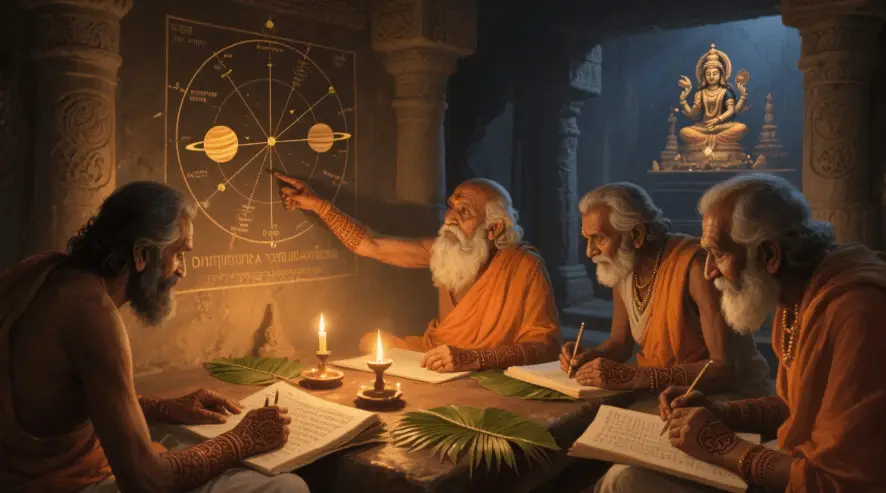
Vedic texts emphasize the profound connection between earthly events and celestial phenomena. The Rigveda suggests that festivals like Dussehra weren't merely seasonal celebrations but opportunities to align human activities with cosmic rhythms. This astrological perspective reveals how planetary influence became embedded in Dussehra's very structure, transforming it from a simple harvest festival into a complex cosmic event.
Regional Variations in Dussehra Celebrations
India's cultural diversity manifests in strikingly different Dussehra celebrations across regions, each incorporating unique interpretations of planetary influence. In North India, particularly Delhi and Uttar Pradesh, the burning of Ravana's effigies coincides with specific planetary positions believed to amplify the destruction of negative energies.
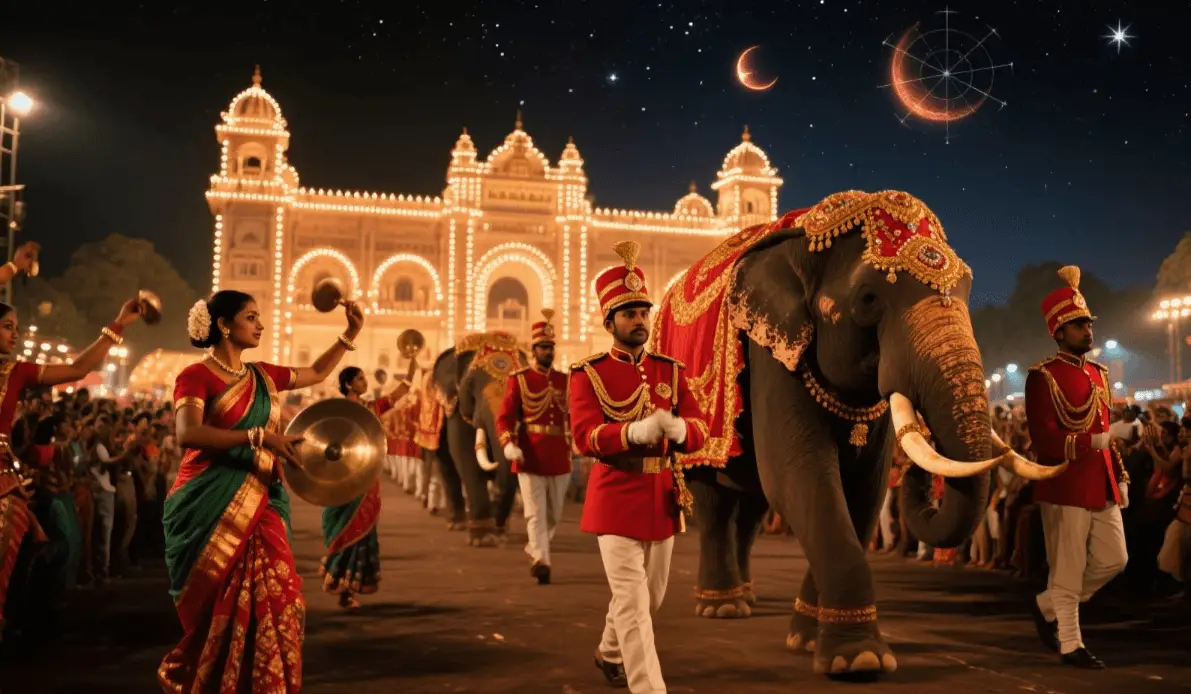
Karnataka's Mysore Dasara features elaborate processions timed according to astrological charts, while Gujarat's Navratri celebrations incorporate Garba dnces performed during planetary alignments considered optimal for spiritual energy. West Bengal's Durga Puja, occurring alongside Dussehra, meticulously schedules the goddess's descent and immersion based on planetary transits.
These regional variations demonstrate how planetary influence adapts to local cultures while maintaining Dussehra's core spiritual significance. The festival's timing, rituals, and even the materials used in celebrations often reflect specific astrological considerations passed down through generations.
Planetary Influence: A Deeper Astrological Analysis
The impact of specific planets on Dussehra celebrations reveals fascinating astrological insights. Mars (Mangal), associated with energy and courage, influences physical rituals like Ramlia enactments and weapon worship. Many communities schedule these activities during Mars-ruled hours to enhance their spiritual potency.
Venus (Shukra), governing arts and beauty, inspires Dussehra's creative expressions - from elaborate pandals in Bengal to intricate kolams in Tamil Nadu. Jupiter's (Guru) positioning often determines the most auspicious days for conducting major pujas, while Saturn's (Shani) influence reminds celebrants to balance festivity with discipline through charitable acts and community service.
The moon's phases play a crucial role too, with many regions scheduling key Dussehra events during the bright fortnight (Shukla Paksha) when lunar energy supports manifestation and celebration. This intricate planetary choreography creates a multidimensional festival experience that resonates differently across India's diverse landscapes.
Modern Interpretations and Technological Adaptations
Contemporary astrologers have transformed traditional practices by integrating technology with ancient wisdom. Mobile apps now provide real-time planetary position updates, helping devotees schedule Dussehra rituals with precision. Digital platforms offer personalized horoscope-based guidance, making astrological knowledge accessible to younger generations.
A 2022 survey by the Indian Institute of Astrology revealed that 68% of urban millennials consult astrological apps before planning Dussehra activities. This fusion of tradition and technology demonstrates how planetary influence remains relevant in modern celebrations. Virtual Ravana effigy burnings and online pujas during the pandemic further highlighted astrology's adaptive nature in maintaining cosmic connections despite physical limitations.
Cultural Impact and Sociological Significance
The planetary influence on Dussehra extends beyond individual spirituality to shape community dynamics and social structures. Many villages schedule their annual governance meetings during auspicious planetary alignments coinciding with Dussehra, blending civic and spiritual calendars. Charitable activities often peak during specific planetary transits believed to amplify the merit of good deeds.
According to Cultural Ministry data, participation in community-based Dussehra events has grown by 27% over the past decade, with many attributing this to increased awareness of astrological timings. Schools increasingly incorporate cosmic concepts into Dussehra curricula, teaching children about the astronomical basis of festivals alongside their cultural significance. This interdisciplinary approach preserves tradition while fostering scientific curiosity about celestial phenomena.
Conclusion: Celestial Harmony in Cultural Expression
The planetary influence on Dussehra celebrations represents a remarkable synthesis of cosmic wisdom and cultural expression. From ancient texts to digital apps, this celestial connection has continuously evolved while maintaining its spiritual essence. As India progresses technologically, the timeless practice of aligning human celebrations with cosmic rhythms offers a powerful model for balancing tradition and innovation.
The enduring relevance of planetary influence in Dussehra underscores astrology's profound role in Indian culture. Whether through grand Mysore processions timed to celestial movements or humble household rituals following planetary hours, this cosmic connection continues to unite millions in a shared experience that transcends regional differences. As we look to future celebrations, this harmonious blend of earthly tradition and celestial guidance promises to keep Dussehra's spiritual flame burning bright for generations to come.
Sharma
|
2025.05.28


