
Astrological Wisdom from India's Epics: Ramayana and Mahabharata
The ancient Indian epics Ramayana and Mahabharata contain profound astrological wisdom that continues to guide millions today. These epic tales represent more than just mythological stories - they are celestial maps encoded with Vedic astrology principles that reveal the intricate relationship between cosmic patterns and human destiny.
Ramayana's Astrological Secrets: Celestial Blueprint of Dharma
Decoding Astrological Events in the Ramayana
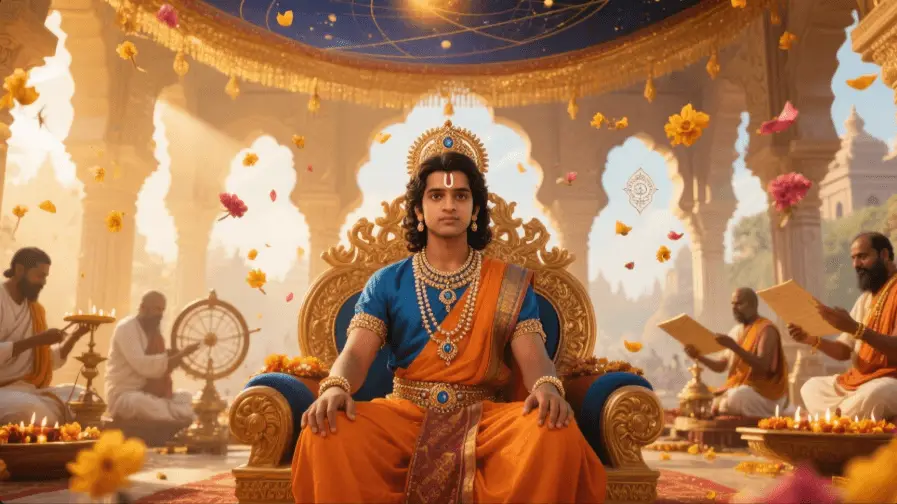
The Ramayana's narrative structure perfectly aligns with significant astrological events, demonstrating sophisticated astrological wisdom. Lord Rama's birth occurred during the auspicious conjunction of Cancer zodiac with Pushya nakshatra, considered ideal for incarnations. This precise planetary alignment wasn't accidental but reflected the meticulous Vedic understanding of celestial influences on terrestrial events.
Ravana's abduction of Sita coincides with challenging planetary transits affecting her birth chart, particularly the difficult positioning of Rahu (North Node) in her 7th house of relationships. The epic's astrological wisdom reveals how even divine figures were subject to cosmic influences, teaching us about timing and planetary cycles affecting human relationships.
Astrological Character Archetypes in the Ramayana
The Ramayana's characters embody distinct astrological energies that shape their destinies. Hanuman represents pure Mars energy - courage, strength and unwavering devotion. His characterization aligns perfectly with Mars' astrological attributes in Vedic astrology. Lakshmana exemplifies Mercury's qualities - intelligence, adaptability and strong communication skills, making him Rama's perfect advisor and strategist.
Sita's character reflects Venusian grace combined with lunar emotional depth, while Rama himself embodies the solar principle of dharma and leadership. This astrological wisdom encoded in character development offers profound psychological insights applicable even in modern personality analysis.
Mahabharata's Cosmic Drama: Astrology of Karma and Destiny
Celestial Predictions Shaping the Mahabharata's Epic Battles
The Mahabharata presents a more complex astrological framework, where multiple characters' destinies intertwine through cosmic patterns. Karna's tragic fate was predetermined by his birth under the inauspicious combination of Rahu-Ketu axis with Saturn's influence, as predicted by Sage Vyasa. Krishna's strategic advice during the Kurukshetra war often references specific planetary transits, demonstrating advanced military astrology.
The Pandavas' exile period perfectly corresponds to Saturn's difficult transit in their collective charts, while their return aligns with Jupiter's benevolent positioning. Such detailed astrological wisdom shows how the epic weaves celestial cycles into its narrative structure, revealing the cosmic laws governing human affairs.
Nakshatras: The Celestial Timekeepers of Mahabharata
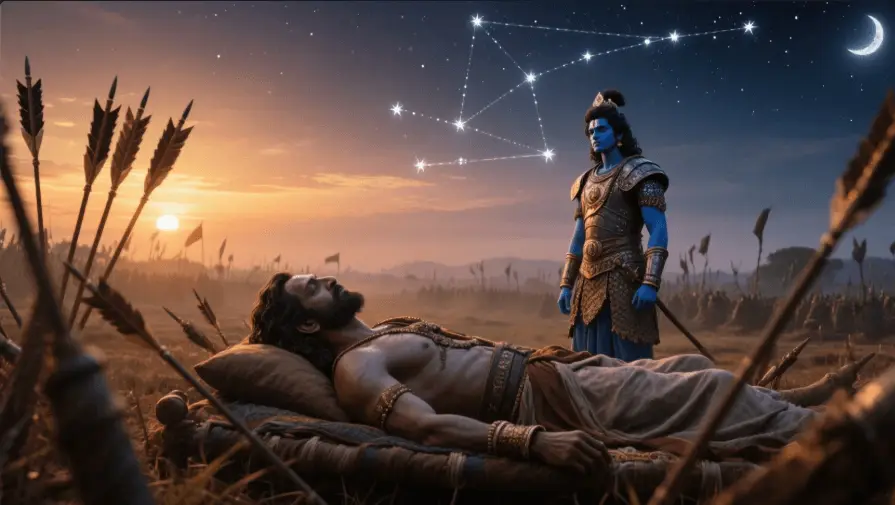
The Mahabharata emphasizes nakshatras (lunar mansions) more than any other epic. Bhishma's choice to wait for Uttarashada nakshatra before leaving his body reflects the deep significance attached to specific stellar constellations in determining auspicious timings. Draupadi's birth under Dhanishta nakshatra explains her fiery nature and political acumen, while Arjuna's birth star - Krittika - aligns with his warrior skills and focused determination.
The epic's astrological wisdom regarding nakshatra influences provides modern astrologers with valuable reference points for interpreting lunar mansion effects in contemporary charts. The detailed descriptions of celestial events during key battles offer insights into electional astrology techniques used in ancient India.
Comparative Astrology: Ramayana vs Mahabharata
While both epics demonstrate sophisticated astrological wisdom, their approaches differ significantly. The Ramayana presents a more straightforward astrological framework focused on individual dharma and divine timing. In contrast, the Mahabharata deals with complex collective karma and the interplay between free will and destiny under challenging planetary configurations.
The Ramayana emphasizes the Sun's energy (leadership, dharma) while the Mahabharata focuses more on Saturn's lessons (karma, justice). Both epics share astrological wisdom about Rahu-Ketu's influence, but the Mahabharata explores their effects more extensively through characters like Karna and Duryodhana.
Ancient Astrological Wisdom for Modern Life
The astrological wisdom embedded in these epic tales remains remarkably relevant today. Corporate leaders study Rama's leadership during challenging transits, while relationship counselors examine Sita's chart patterns. Investors analyze the economic implications of planetary periods described in the Mahabharata, and psychologists apply its insights into collective karma during major Saturn transits.
Modern astrologers increasingly reference these epics when interpreting challenging planetary combinations in clients' charts. The detailed descriptions of planetary effects on human behavior found in these texts provide practical guidance that transcends time and culture.
Conclusion: Eternal Astrological Truths
The Ramayana and Mahabharata stand as monumental repositories of astrological wisdom that continue to enlighten humanity. These epic tales teach us that while celestial influences shape our lives, conscious choices determine how we navigate those influences. The sophisticated astrological frameworks presented in these texts demonstrate ancient India's advanced understanding of cosmic laws and their earthly manifestations.
By studying the astrological wisdom encoded in these epics, modern seekers can gain profound insights into timing, relationships, career paths and spiritual growth. The cosmic truths revealed through these stories remind us that we are all part of a grand celestial design, just as the characters in these timeless epic tales were.
Devansh Sarma
|
2025.05.28


