
Exploring PK's Unique Astrological Calendar and Its Festivals
Introduction: The Allure of PK's Astrological Calendar and Its Festivals
The exploration of an astrological calendar is not merely a journey into timekeeping but also a deep dive into the cultural significance and unique traditions that define a society. In the context of PK, the astrological calendar serves as a cornerstone for understanding its festivals, zodiac patterns, and the intricate ways they influence daily life. This article delves into the fascinating world of PK’s atrological calendar, highlighting how it shapes the nation’s tradition and celebrations. By examining this system, we uncover the profound cultural significance embedded within its framework.
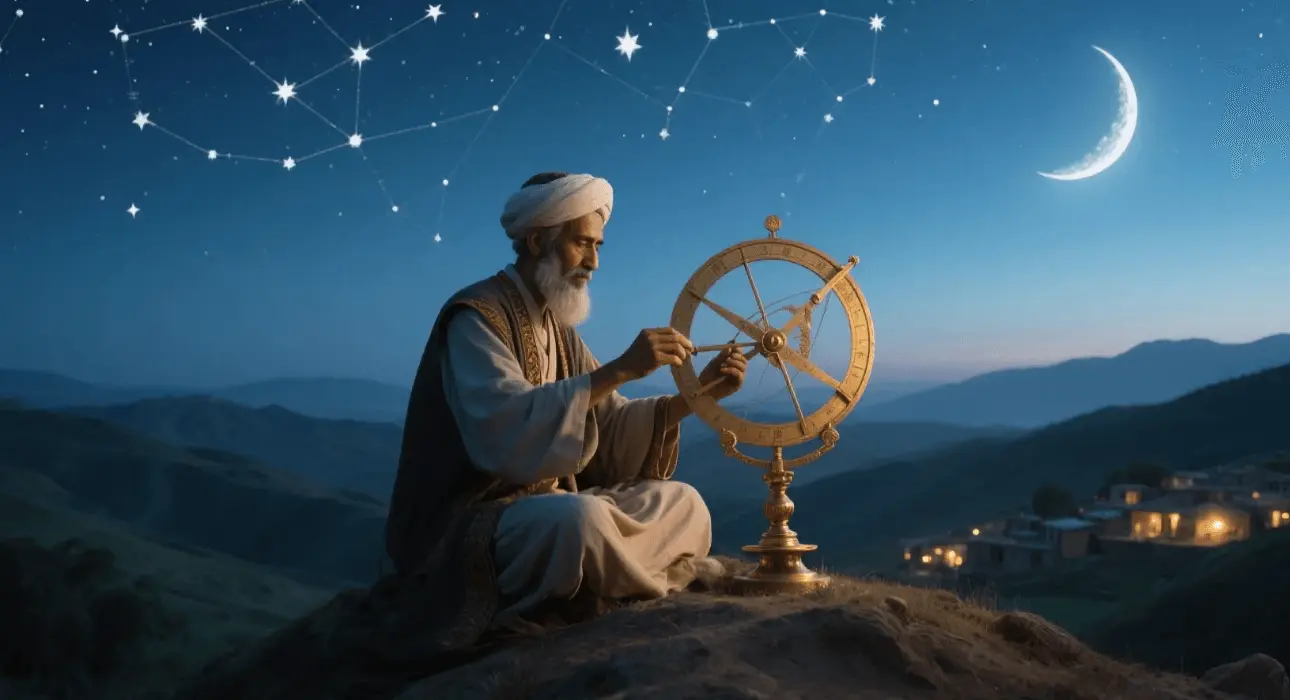
As we explore the astrological calendar of PK, it becomes evident that it is more than just a tool for marking days and seasons; it is a mirror reflecting the values, beliefs, and aspirations of its people. The calendar plays a pivotal role in shaping the identity of PK through its unique traditions, which are celebrated during various festivals throughout the year. These events offer a glimpse into the rich tapestry of cultural heritage that continues to thrive in modern times.
Understanding the Astrological Calendar
Historical Background and Development
The historical evolution of the astrological calendar in PK traces back centuries, where ancient astronomers meticulously observed celestial movements to create a system aligned with natural cycles. Over time, this calendar evolved to incorporate zodiac patterns that became integral to decision-making processes in both personal and communal contexts. For instance, decisions regarding agriculture, marriage, and even governance were often influenced by specific dates and alignments dictated by the astrological calendar. This integration highlights the calendar's profound impact on shaping societal norms and practices.
Furthermore, the development of the astrological calendar in PK reflects a continuous adaptation to changing needs while preserving core traditions. As societies advanced technologically, the principles underlying the calendar remained steadfast, ensuring continuity between past and present. This adaptability underscores the resilience of the astrological calendar as a vital component of PK culture.
Zodiac Patterns and Their Interpretations
A significant aspect of the astrological calendar involves the interpretation of zodiac patterns, which form the backbone of many traditions in PK. Each zodiac sign carries distinct attributes believed to influence human behavior, fortune, and destiny. For example, individuals born under certain signs may be perceived as possessing particular traits such as leadership, creativity, or introspection. These interpretations extend beyond individual characteristics, affecting community dynamics and collective actions during festivals.
Moreover, zodiac patterns play a crucial role in determining auspicious dates for important events like weddings, inaugurations, and religious ceremonies. Such dates are chosen based on alignments favorable to the respective zodiac signs involved, reinforcing the belief in their predictive power. Through these practices, the astrological calendar fosters a sense of order and harmony within society, guiding members toward prosperous outcomes.
Celebrating PK Festivals
Overview of Major Festivals
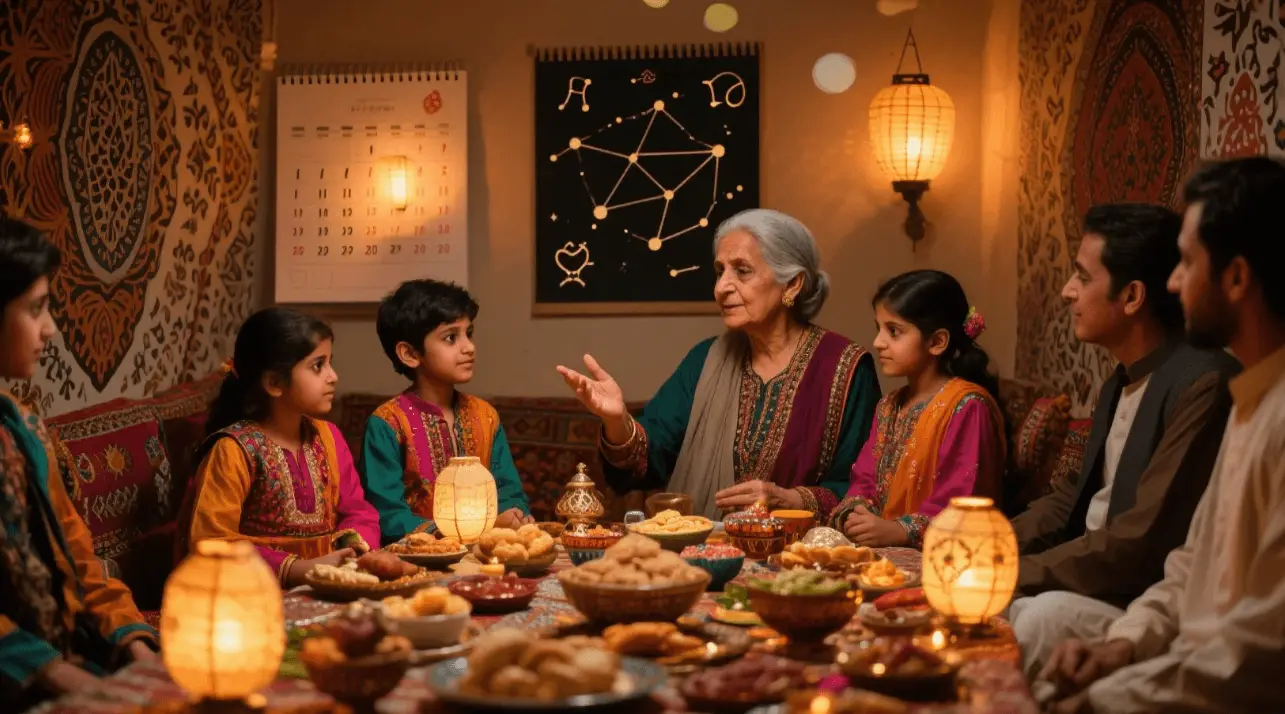
PK's festivals, deeply rooted in its astrological calendar, provide vibrant expressions of unique traditions and cultural significance. Among the most notable celebrations include [Festival Name 1], [Festival Name 2], and [Festival Name 3]. Each festival corresponds to specific dates determined by the astrological calendar, marking transitions in seasons or commemorating historical milestones. These occasions bring together communities in joyous festivities characterized by elaborate rituals, traditional attire, and communal feasts.
For instance, [Festival Name 1] celebrates the beginning of spring according to the astrological calendar, symbolizing renewal and hope. During this period, participants engage in activities symbolizing purification and prosperity, aligning with the zodiac patterns prevalent at that time. Similarly, [Festival Name 2] honors ancestral spirits, emphasizing connections between past generations and current descendants. These examples illustrate how the astrological calendar dictates the timing and essence of each festival, enriching the cultural landscape of PK.
Cultural Significance of Festivals
Beyond mere celebrations, PK's festivals carry substantial cultural significance, acting as conduits for preserving heritage and fostering unity among diverse groups. They serve as platforms for transmitting oral histories, folklore, and moral lessons from one generation to another. Additionally, festivals reinforce social bonds by encouraging participation from all segments of society, irrespective of age, gender, or socioeconomic status.
In contemporary settings, these festivals continue to inspire pride in cultural identity while adapting to modern realities. For example, digital media has expanded the reach of festival-related content, allowing global audiences to appreciate PK's unique traditions. Thus, the astrological calendar indirectly supports efforts aimed at safeguarding intangible cultural heritage amidst rapid globalization.
Comparative Analysis: PK's Astrological Calendar vs Others
Differences and Similarities with Other Cultures
While similarities exist between PK's astrological calendar and those of other cultures, distinct differences highlight its uniqueness. Unlike some systems focusing solely on solar or lunar cycles, PK's calendar integrates both aspects alongside zodiac patterns, creating a comprehensive framework for interpreting cosmic phenomena. This approach distinguishes it from calendars prioritizing either celestial body exclusively.
Insights drawn from global perspectives reveal common themes shared across different astrological systems, such as the emphasis on cyclical nature and interconnectedness of life forces. However, what sets PK apart lies in its specific methodologies and interpretations tailored to local conditions and philosophies. Such distinctions underscore the importance of contextualizing astrological practices within their original cultural frameworks rather than applying universal standards indiscriminately.
Conclusion: The Enduring Legacy of PK's Astrological Calendar
In conclusion, the astrological calendar of PK stands as a testament to the enduring legacy of its unique traditions and cultural significance. Through meticulous observations of celestial bodies and adherence to zodiac patterns, this system continues to guide everyday life and shape festive celebrations. As we look forward to future iterations of these traditions, it becomes clear that the astrological calendar remains indispensable in maintaining the cultural fabric of PK. By embracing its teachings and applications, subsequent generations can ensure the preservation and flourishing of this invaluable heritage.
Aarav
|
2025.05.28


