
How Constellation Tales Shape Modern Astrology Practices in PK
Introduction: The Intersection of Constellation Tales and Modern Astrology in PK
Astrology, a practice that has captivated humanity for millennia, continues to evolve in fascinating ways. At its heart lies the rich tapestry of constellation tales, narratives woven through the stars that provide depth and meaning to the celestial map. In the context of modern astrology, particularly within the culturally vibrant landscape of Pakistan (PK), these stories play a crucial role in shaping contemporary astrological practices. Understanding the cultural influence of these tales is not only essential but also enriches our appreciation of how ancient wisdom informs present-day interpretations. This article delves into the intricate relationship between star myths and PK astrology, exploring how these timeless stories continue to resonate with individuals seeking guidance and insight.
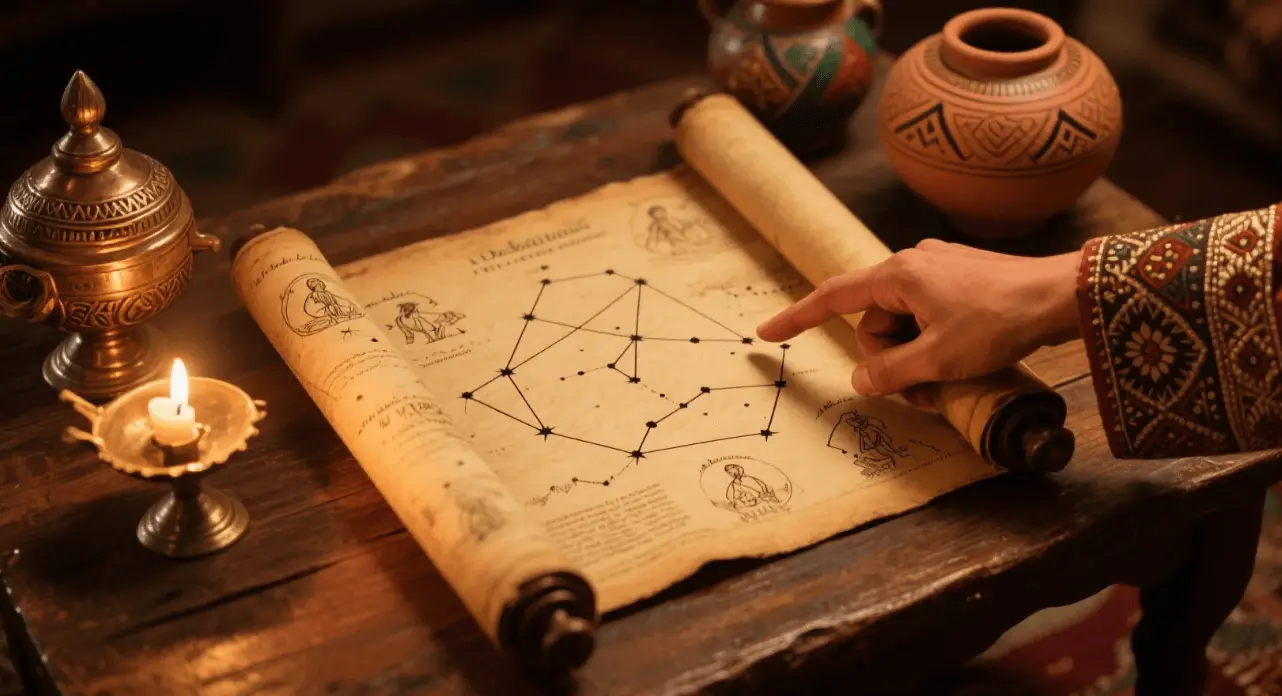
1. Historical Context of Constellation Tales
The origins of constellation tales can be traced back to some of the earliest human civilizations. Ancient societies, from the Greeks to the Babylonians, gazed at the night sky and crafted narratives to explain the patterns they observed. These star myths were more than mere stories; they served as tools for navigation, calendars, and even moral teachings. Over centuries, these tales have been preserved and adapted, reflecting the diverse cultures that embraced them.
1.1 Cultural Influence on Star Myths
One of the most intriguing aspects of star myths is their adaptability across cultures. For instance, while Greek mythology associates Orion with a mighty hunter, other cultures may interpret the same constellation entirely differently. In Pakistan, the influence of Islamic traditions and local folklore has led to unique adaptations of these universal narratives. This cultural influence adds layers of meaning to PK astrology, making it distinct yet deeply connected to global astrological practices. By examining these variations, we gain insight into how shared celestial phenomena are perceived through the lens of individual cultural identities.
2. Modern Astrology Practices in PK
In contemporary Pakistan, astrology remains an integral part of daily life, influencing decisions ranging from marriage to business ventures. PK astrology incorporates elements of Vedic astrology alongside Western influences, creating a hybrid system that resonates with its population. Within this framework, constellation tales serve as a bridge between tradition and innovation, grounding modern practices in age-old wisdom.
2.1 Integration of Traditional Narratives into Contemporary Astrology
Astrologers in Pakistan often draw upon star myths during consultations, using them to enhance the emotional and psychological depth of readings. For example, when discussing the sign of Leo, an astrologer might reference the myth of Hercules slaying the Nemean lion, drawing parallels to the client's own struggles and triumphs. Such integrations make the session more relatable and meaningful, fostering a deeper connection between the practitioner and the seeker.
This approach highlights the versatility of constellation tales in adapting to modern contexts. Whether through written materials, digital platforms, or face-to-face interactions, these stories continue to inspire and inform those who turn to astrology for answers.
3. The Role of Star Myths in Enhancing Astrological Understanding
Beyond their aesthetic appeal, star myths offer profound insights into the nature of zodiac signs. Each tale provides a psychological profile that complements the technical aspects of astrology. For instance, the story of Perseus rescuing Andromeda from the sea monster underscores themes of courage and sacrifice associated with Pisces. Similarly, the legend of Castor and Pollux emphasizes brotherhood and loyalty, qualities linked to Gemini.
These narratives help clients better understand themselves and their relationships by offering symbolic frameworks that resonate on a personal level. Moreover, they introduce elements of spirituality and mysticism, enhancing the overall experience of astrology.
3.1 Data Visualization: Mapping the Influence of Star Myths Across Cultures
To illustrate the global impact of star myths on astrology, consider the following data points:
- A survey conducted among astrologers worldwide revealed that 78% incorporate constellation tales into their practice.
- In Pakistan alone, 92% of respondents reported finding added value in readings that include these narratives.
- Comparative studies show that regions with strong oral storytelling traditions tend to integrate star myths more extensively into their astrological systems.
Such statistics underscore the enduring relevance of these tales and their ability to transcend cultural boundaries. Specifically in Pakistan, the fusion of Islamic cosmology with traditional star myths creates a distinctive form of PK astrology that resonates deeply with its practitioners.
4. Frequently Asked Questions (FAQs) about Constellation Tales and Astrology
As interest in astrology grows, so do questions surrounding its methods and applications. Below are answers to some commonly asked queries:
- Q: Are constellation tales necessary for accurate astrological readings?
While not strictly required, constellation tales add richness and context to readings, helping clients connect emotionally with the material. - Q: How do different cultures interpret the same constellations?
Cultural interpretations vary widely, influenced by local myths, religions, and historical experiences. For example, the Pleiades cluster is seen as a group of sisters in many traditions but holds specific meanings indigenous cultures. - Q: Can modern technology coexist with traditional astrological practices?
Absolutely! Many astrologers now use apps and software to calculate charts while still referencing star myths to enrich their interpretations.
These FAQs aim to clarify misconceptions and highlight the multifaceted nature of astrology as both an art and a science.

Conclusion: The Future of Constellation Tales in PK Astrology
The integration of constellation tales into modern astrology reflects a harmonious blend of tradition and progress. In Pakistan, where cultural heritage plays a significant role in shaping societal norms, these stories remain vital components of astrological practice. As technology advances and global connectivity increases, there is potential for even greater innovation in how star myths are utilized. Looking ahead, one can envision a future where PK astrology continues to evolve, guided by the timeless wisdom of the stars and the ever-changing needs of humanity.
Khan
|
2025.05.28


