
Mythical Stories Behind Each Zodiac Sign in Indian Culture
The concept of zodiac signs has long fascinated humanity, offering a glimpse into the mysteries of the cosmos. Indian culture, these celestial divisions are deeply intertwined with mythological stories that provide profound insights into human nature and existence. From ancient scriptures like the Vedas to modern astrological practices, the understanding of zodiac signs is enriched by the celestial events that mark pivotal moments in the cosmic calendar. This article delves into the mythical stories behind each zodiac sign in Indian culture, revealing how they shape our perception of destiny and spirituality.
Aries: The Ram and the Story of Agni
Aries, represented by the ram, finds its roots in the fiery energy of Agni, the god of fire in Indian mythology. According to ancient texts, Agni was born from the union of heaven and earth, embodying the raw power and determination characteristic of Aries individuals. This celestial event symbolizes the dawn of new beginnings, a theme echoed in the Vedic tradition where fire rituals marked significant transitions. The mythological narrative of Agni not only highlights his role as a mediator between gods and humans but also underscores the importance of courage and initiative—qualities central to the Aries archetype.
Taurus: The Bull and the Tale of Lord Shiva
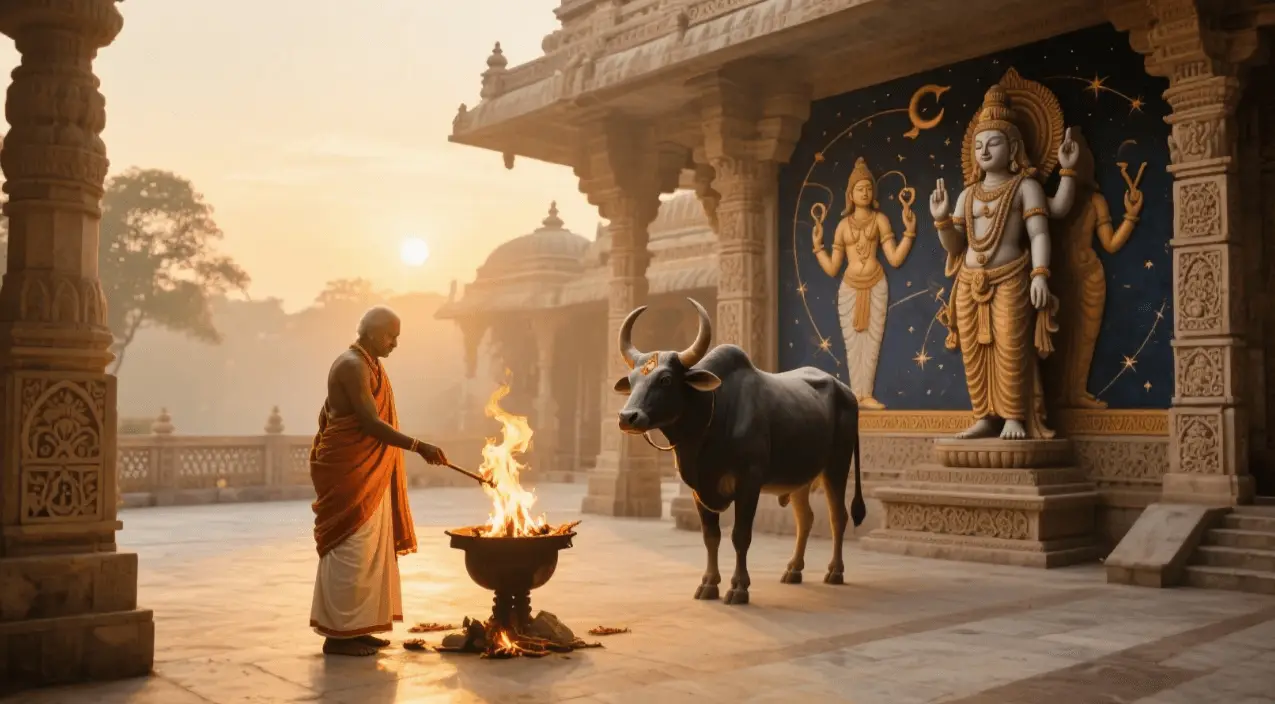
Taurus, symbolized by the bull, draws inspiration from the revered Lord Shiva and his sacred vehicle, Nandi. Indian culture, the bull represents strength, stability, and agricultural prosperity—a testment to the deep connection between Taurus and the land. The mythological story of Lord Shiva calming the Ganges’ descent illustrates the balance required to harness natural forces, mirroring the grounded nature of Taurus individuals. This celestial event serves as a reminder of the importance of patience and perseverance in achieving long-term goals.
Gemini: The Twins and the Legend of Ashwini Kumaras
Gemini, embodied by the twins, finds resonance in the divine healers Ashwini Kumaras, who were known for their wisdom and medical prowess. These celestial beings exemplify the dualistic nature of Gemini, characterized by adaptability and communication skills. Their mythological tales often involve intricate problem-solving and collaboration, reflecting the intellectual curiosity inherent in those born under this sign. Through these narratives, we see how celestial events have shaped the cultural understanding of duality and versatility.
Cancer: The Crab and the Narrative of Devi Parvati
Cancer, represented by the crab, aligns with the nurturing energy of Devi Parvati, whose cosmic dance embodies creation and destruction. Indian mythology, the crab signifies protective instincts and emotional depth, qualities attributed to Cancer individuals. The celestial event of Devi Parvati’s dance highlights the cyclical nature of life, emphasizing the importance of maternal care and emotional intelligence. This narrative reinforces the cultural value placed on empathy and familial bonds.
Leo: The Lion and the Saga of Narasimha
Leo, symbolized by the lion, draws parallels with Narasimha, the half-man, half-lion avatar of Lord Vishnu. This mythological tale recounts Narasimha’s battle against tyranny, showcasing the courage and leadership expected of Leos. The celestial event marking Narasimha’s appearance underscores the transformative power of righteous action, resonating deeply within Indian culture. Through such narratives, we witness the enduring legacy of heroism and moral integrity.
Virgo: The Maiden and the Story of Durga
Virgo, depicted as the maiden, finds its mythological counterpart in Goddess Durga, the embodiment of purity and diligence. Her epic battles against evil forces symbolize the meticulous attention to detail and unwavering dedication characteristic of Virgos. The celestial events surrounding Durga’s victorie highlight the significance of hard work and precision, reinforcing the cultural values of discipline and responsibility.
Libra: The Scales and the Balance of Justice
Libra, represented by the scales, echoes the principles of justice and fairness enshrined in Indian mythology. Figures such as Yama, the god of death, and Dharma, the deity of righteousness, personify the Libran pursuit of harmony and balance. These celestial narratives underscore the importance of equitable decision-making and diplomatic resolution, shaping societal norms around ethics and morality.
Scorpio: The Scorpion and the Legend of Kartikeya
Scorpio, symbolized by the scorpion, aligns with Kartikeya, the god of war and transformation. His mythological battles against demons represent the intense inner journeys undertaken by Scorpios. The celestial events associated with Kartikeya’s victorie emphasize themes of renewal and resilience, reflecting the profound depth and mystery inherent in this sign.
Sagittarius: The Archer and the Tale of Lord Vishnu
Sagittarius, embodied by the archer, finds its roots in Lord Vishnu’s avatar as Kalki, the destroyer of ignorance. This celestial figure exemplifies the quest for knowledge and truth, qualities central to Sagittarians. The mythological narratives surrounding Kalki’s arrival highlight the importance of aiming high and seeking enlightenment, reinforcing the cultural emphasis on education and spiritual growth.
Capricorn: The Goat and the Story of Makara
Capricorn, represented by the goat-fish Makara, draws inspiration from this mythical creature in Indian lore. Makara symbolizes ambition and perseverance, traits synonymous with Capricorns. The celestial events marking Makara’s preence in Vedic astrology reflect the structured approach and long-term vision characteristic of this sign, highlighting the cultural admiration for discipline and focus.
Aquarius: The Water Bearer and the Flood Myths
Aquarius, depicted as the water bearer, resonates with flood myths prevalent in Indian epics. These narratives often involve celestial phenomena such as heavy rains or overflowing rivers, symbolizing the need for collective effort and resource management. The mythological stories underscore the innovative spirit and humanitarian instincts of Aquarians, reinforcing the cultural emphasis on community and progress.
Pisces: The Fish and the Avatar of Matsya
Pisces, represented by the fish, finds its mythological counterpart in Matsya, the fish avatar of Lord Vishnu. This celestial figure is celebrated for rescuing Manu dring a great deluge, symbolizing the Piscean themes of compassion and spiritual awakening. The mythological tale of Matsya highlights the transformative power of faith and devotion, resonating deeply within Indian culture.

Conclusion: Weaving the Cosmic Tapestry
Each zodiac sign in Indian culture carries a rich tapestry of mythological stories that illuminate the complexities of human experience. Through these celestial narratives, we gain insight into the universal truths that connect us all. As we explore the deeper meanings behind these signs, we uncover the enduring influence of mythological stories on our lives, inviting us to embrace our individual journeys while honoring the shared heritage of humanity.
Smith
|
2025.05.28


