
The Influence of Vedic Astrology on Modern Life
Introduction: The Intersection of Vedic Astrology and Modern Life
In an era where technological advancements dominate every aspect of our existence, it is intriguing to observe how ancient practices like Vedic astrology continue to hold sway over modern life. Vedic astrology, rooted deeply in the traditions of India, offers profound insights into the workings of the universe through the lens of celestial bodies and their influence on human affairs. This form of astrology, also known as Jyotisha, has not only survived but thrived in contemporary times, providing guidance and clarity to millions seeking meaning in their lives. As we delve deeper into this subject, we will explore how Vedic astrology remains relevant today, offering practical solutions amidst the complexities of modern living.
Understanding Vedic Astrology
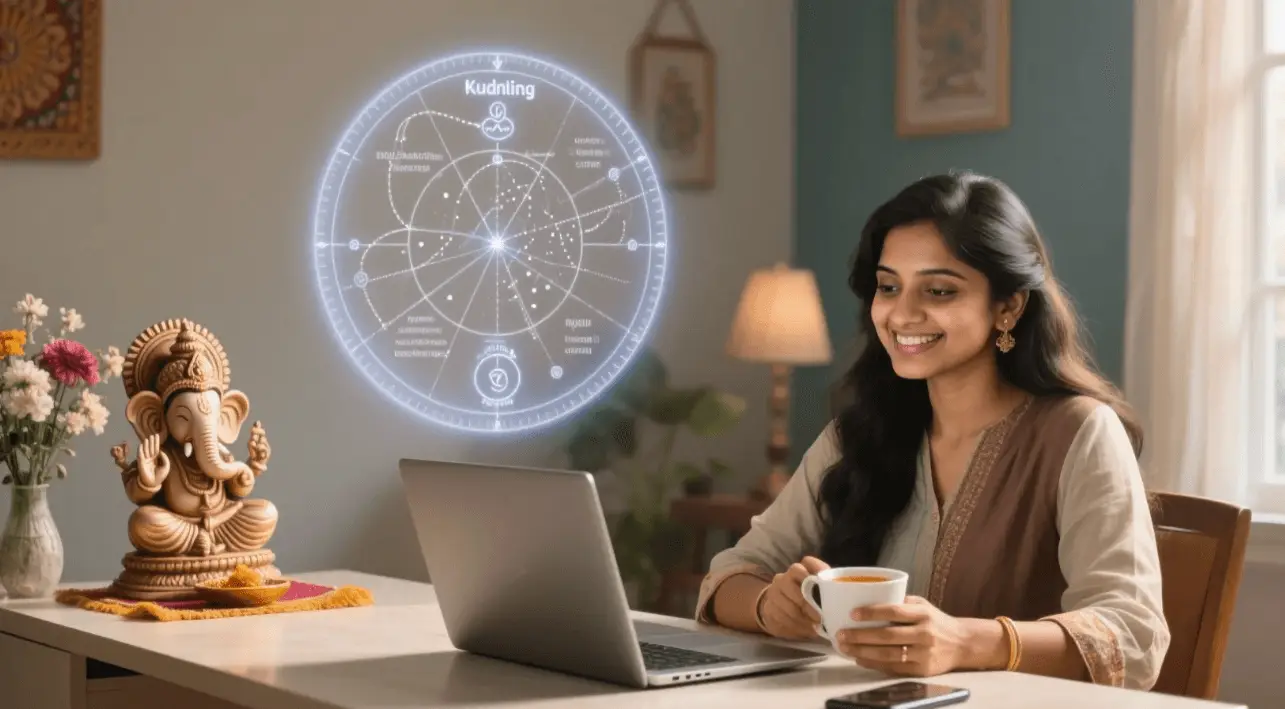
Vedic astrology, originating thousands of years ago, is based on the belief that celestial bodies exert a significant influence on earthly events and individual destinies. Unlike Western astrology, which primarily focuses on the sun sign, Vedic astrology employs a more intricate system involving the moon sign, ascendant, and various other planetary positions at the time of birth. These elements collectively create a detailed natal chart, or "kundli," that serves as a roadmap for understanding one's personality, strengths, challenges, and potential paths in life.
The role of celestial bodies in Vedic astrology cannot be overstated. Each planet—Sun, Moon, Mars, Mercury, Jupiter, Venus, Saturn, Rahu, and Ketu—is associated with specific qualities and energies. For instance, the Sun symbolizes vitality and leadership, while Saturn represents discipline and hard work. By analyzing these planetary influences, Vedic astrology provides tailored advice for navigating life’s up and downs.
Compared to Western astrology, Vedic astrology adopts a sidereal zodiac system, aligning closely with the actual positions of constellations. This difference often results in discrepancies between sun signs derived from both systems, making Vedic astrology a more precise tool for self-discovery and prediction.
Vedic Astrology in Daily Decision Making
One of the most compelling aspects of Vedic astrology lies in its ability to guide everyday decisions. From choosing auspicious dates for weddings and business ventures to identifying favorable periods for travel and investments, Vedic astrology offers actionable insights that resonate with people across cultures. Consider the example of Priya, a young professional who turned to Vedic astrology when facing a major career transition. Her astrologer analyzed her kundli and recommended waiting until a specific planetary alignment occurred before making any drastic changes. Following this advice, Priya secured a promotion within weeks of the predicted period, reinforcing her faith in the practice.
Horoscopes, too, play a crucial role in shaping modern perceptions of Vedic astrology. While some view them skeptically, others find solace in their predictions. Whether it is reading daily horoscopes on social media platforms or consulting personalized charts with seasoned practitioners, the influence of Vedic astrology permeates multiple facets of life. It bridges the gap between spirituality and rationality, appealing to those searching for balance in their hectic schedules.
Celestial Bodies and Their Influence
To fully appreciate the depth of Vedic astrology, one must understand the nuanced roles played by celestial bodies. Each planet governs distinct areas of life, influencing everything from emotional well-being to financial prosperity. For example, Jupiter, known as the guru planet, fosters wisdom and expansion, while Mercury enhances communication skills and intellectual pursuits. A misalignment of planets can lead to temporary setbacks, prompting individuals to seek remedial measures such as wearing gemstones or performing rituals to restore harmony.
Scientific perspectives sometimes clash with astrological interpretations, yet there exists a growing body of research exploring correlations between planetary movements and human behavior. Studies have shown that certain environmental factors linked to solar activity may indeed affect mood swings and cognitive functions (NASA, 2019). Such findings lend credibility to Vedic astrology’s claim, encouraging further exploration into its mechanisms.
A data visualization illustrating the relationship between planetary transits and significant life events could enhance comprehension among skeptics. Imagine a graph plotting key milestones in an individual's life alongside corresponding planetary alignments—a powerful demonstration of Vedic astrology’s predictive power.
Horoscopes in Modern Context
From print magazines to mobile apps, horoscopes have become ubiquitous in today’s digital age. Platforms like Instagram and Twitter feature popular astrologers sharing bite-sized predictions tailored to each zodiac sign. These posts attract millions of views daily, reflecting the widespread interest in astrology among younger demographics. However, this trend also raises questions about the accuracy and authenticity of online horoscopes compared to traditional readings conducted by experienced astrologers.
Despite its popularity, Vedic astrology faces challenges in adapting to modern technologies. Many practitioners struggle to maintain authenticity while catering to tech-savvy audiences. To address this issue, several organizations now offer certified courses teaching the fundamentals of Vedic astrology combined with digital marketing strategies. Such initiatives ensure that the essence of this ancient science remains intact even as it evolves to meet contemporary demands.
Practical Applications of Vedic Astrology
Beyond theoretical knowledge, Vedic astrology finds practical applications in diverse fields. In healthcare, it assists in diagnosing ailments caused by imbalanced planetary energies, recommending remedies such as yoga, meditation, or dietary adjustments. Relationship counseling incorporates astrological compatibility assessments, helping couples resolve conflicts and strengthen bonds. Similarly, career guidance leverages kundli analyses to identify suitable professions aligned with an individual’s trengths and aspirations.
Integrating Vedic astrology into daily routines involves simple yet effective steps. Begin by tracking planetary transits and adjusting activities accordingly. Consult trusted astrologers for personalized advice during critical junctures. Lastly, remain open-minded yet discerning, balancing intuition with logic. Expert testimonials underscore the transformative potential of adopting these practices, citing improved decision-making abilities and heightened awareness as key benefits.
Criticism and Controversy Surrounding Vedic Astrology
No discussion of Vedic astrology would be complete without addressing the criticisms leveled against it. Skeptics argue that its predictions lack empirical validation and rely heavily on subjective interpretations. Others question the commercialization of astrology, fearing exploitation of vulnerable individuals seeking quick fixes. Nevertheless, proponents counter these arguments by emphasizing the philosophical underpinnings of Vedic astrology and its emphasis on self-improvement rather than deterministic fate.
Balancing tradition with scientific scrutiny requires fostering dialogue between astrologers and researchers. Collaborative efforts aimed at testing hypotheses related to planetary influences could yield valuable insights, bridging gaps between opposing viewpoints. Ultimately, the choice to embrace Vedic astrology rests with the individual, guided by personal experiences and beliefs.

Conclusion: Embracing the Wisdom of Vedic Astrology
As we navigate the complexities of modern life, the wisdom embedded in Vedic astrology offers invaluable support. By recognizing the interconnectedness of celestial bodies and human lives, we gain tools to make informed decisions and cultivate inner peace. Looking ahead, the integration of technology with traditional methods promises exciting possibilities for expanding the reach and relevance of Vedic astrology globally. Let us cherish this ancient legacy while embracing innovation, ensuring its continued impact on generations to come.
Sharma
|
2025.05.28


