
The Role of Greek Gods in Shaping Western Astrology
Introduction: The Divine Influence of Greek Gods in Western Astrology
The relationship between Greek gods and western astrology is a fascinating intersection of mythology and celestial interpretation. For centuries, these divine beings have not only shaped cultural narratives but also played pivotal roles in the development of astrological systems. Understanding the mythological origins of astrology allows us to appreciate the intricate connections between human beliefs and cosmic phenomena. This article delves into the profound role Greek gods have played in defining western astrology, exploring their divine influence and symbolic representation within this ancient practice.
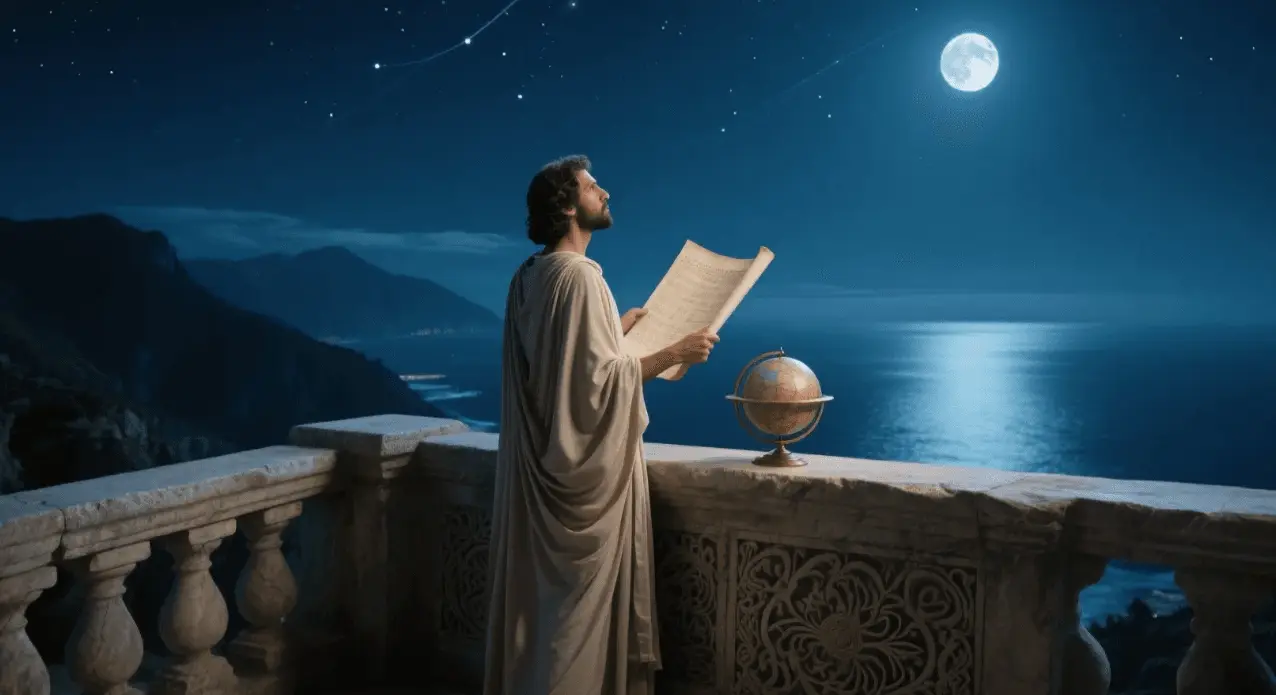
Greek mythology serves as the cornerstone for much of what we understand about astrology today. From the heavens above to the earthly realms below, the pantheon of gods has provided a framework through which celestial movements are interpreted. By examining specific deities and their contributions, we can better comprehend how their mythological origins continue to resonate in contemporary astrological practices.
Historical Context: The Mythological Origins of Astrology
Astrology, as we know it, owes its existence to the observations and interpretations of ancient civilizations. The Babylonians were among the first to systematically study the stars, creating foundational principles that would later be adopted and adapted by the Greeks. When Greek thinkers encountered these ideas, they infused them with their own rich mythological narratives, transforming astrology into a more personalized and spiritually significant discipline.
This transition was not merely academic; it was deeply rooted in the belief that the cosmos mirrored the divine order established by the gods. Celestial bodies were no longer seen as mere objects in the sky but as manifestations of divine will. For instance, the planet Jupiter (Zeus) represented pity and justice, while Mercury (Hermes) symbolized communication and intellect. These associations formed the basis of astrological systems, where each planet carried attributes tied to its corresponding deity.
Moreover, the concept of divine influence permeated every aspect of astrological thought. Early practitioners believed that the alignment of planets could affect human affairs, echoing the interventionist nature of Greek gods in mortal lives. This belief system laid the groundwork for the complex interplay between celestial events and earthly experiences that defines modern astrology.
The Pantheon's Impact: Specific Greek Gods and Their Contributions
Zeus: Authority and Cosmic Order
Zeus, the king of the gods, embodies power, leadership, and justice—qualities that align closely with the planet Jupiter. In western astrology, Jupiter represents expansion, growth, and higher learning, reflecting Zeus's dominion over the heavens and his role as the enforcer of divine law. His presence in astrological charts signifies opportunities for personal and spiritual development, underscoring the enduring legacy of Greek mythology in astrological interpretations.
Apollo: Light, Truth, and Inspiration
Apollo, the god of music, prophecy, and healing, corresponds to the Sun in astrological systems. As the central figure in both mythology and astrology, Apollo’s asociation with light and truth mirrors the Sun’s role in illuminating one’s core identity. Through this connection, individuals gain insight into their true selves, guided by the divine influence of Apollo.
Hermes: Communication and Intellect
Hermes, the messenger of the gods, finds his counterpart in the planet Mercury. Known for his wit and adaptability, Hermes embodi the qualities of communication, commerce, and travel. In astrology, Mercury governs areas such as speech, writing, and mental processes, highlighting the intricate link between mythological archetypes and astrological principles.
Athena: Wisdom and Strategy
Athena, goddess of wisdom and strategic warfare, influences the sign of Virgo, which emphasizes analytical thinking and meticulous planning. Her presence in astrological systems underscores the value placed on intellectual pursuits and practical problem-solving, reinforcing the idea that divine inspiration guides human endeavors.
Artemis: Independence and Nature
Artemis, the huntress and protector of wild creatures, resonates with the Moon in astrological symbolism. Just as she roams freely through untamed landscapes, the Moon reflects emotional cycles and instinctual responses. Together, they emphasize the importance of intuition and connection to natural rhythms.
Ares: Passion and Conflict
Ares, the god of war, corresponds to Mars, the planet of action and desire. In astrological charts, Mars reveals an individual’s drive, ambition, and approach to challenges. Like Ares, it embodies raw energy and competitive spirit, offering valuable insights into how people navigate life’s obtacles.
Hades: Transformation and Depth
Hades, ruler of the underworld, connects with Pluto, the planet associated with transformation and rebirth. While often misunderstood, Hades’ domain highlights themes of regeneration and hidden potential, reminding us that even darkness holds transformative power.
Poseidon: Emotion and Power
Poseidon, master of the seas, parallels Neptune, the planet linked to dreams, creativity, and spirituality. Both figures embody fluidity and mystery, encouraging exploration beyond the tangible world and into realms of imagination and subconscious thought.
Symbolism and Meaning: Greek Gods in Western Astrology
The integration of Greek gods into astrological systems extends far beyond simple correspondences. Each deity contributes unique layers of meaning, enriching our understanding of planetary energies and zodiacal archetypes. For example, the twelve zodiac signs draw heavily from Greek mythology, with each sign representing distinct characteristics influenced by various gods.
Additionally, the houses in astrology provide further depth, allowing practitioners to analyze different areas of life through a mythological lens. Whether examining career aspirations (tied to Zeus), creative expression (inspired by Apollo), or interpersonal relationships (shaped by Aphrodite), the divine influence of Greek gods remains ever-present.
Culturally, this symbiosis fosters a sense of continuity between past and present, bridging ancient myths with contemporary realities. It invites individuals to engage with astrology not merely as a predictive tool but as a means of self-discovery and spiritual growth, guided by timeless archetypes rooted in Greek mythology.
Modern Relevance: The Legacy of Greek Gods in Contemporary Astrology
Today, the legacy of Greek gods continues to thrive within western astrology. Modern astrologers frequently reference mythological stories to deepen their analyses, drawing upon the rich tapestry of meanings embedded in these narratives. By doing so, they enhance the interpretive power of natal charts, providing clients with nuanced perspectives on their strengths, weaknesses, and life paths.
Furthermore, the divine influence of Greek gods persists in popular culture, where astrology serves as a bridge connecting people to their inner worlds. Social media platforms, books, and workshops dedicated to astrology frequently highlight mythological origins, demonstrating the ongoing fascination with these ancient tales.
Examples abound in current astrological systems, where practitioners seamlessly blend traditional knowledge with innovative approaches. For instance, evolutionary astrology incorporates mythological elements to explore karmic patterns and soul journeys, illustrating the versatility and adaptability of Greek mythology within the broader context of astrological study.

Conclusion: The Enduring Influence of Greek Mythology on Western Astrology
In summary, Greek gods have profoundly shaped western astrology, imbuing it with layers of meaning derived from their mythological origins. From the pity of Zeus to the creativity of Apollo, each deity contributes uniquely to the astrological framework, ensuring its continued relevance in today’s world. As we look to the stars for guidance, we carry forward the wisdom of those who first gazed upward, finding in their stories reflections of our own lives and destinies.
By embracing the divine influence of Greek gods, astrology offers not just predictions but pathways to greater self-awareness and connection. May this enduring tradition inspire future generations to seek harmony between the heavens and the earth, guided always by the timeless wisdom of the gods.
Smith
|
2025.05.28


