
Unveiling the Secrets of Greek Gods in the Night Sky
Introduction: The Allure of Greek Mythology in the Night Sky
Greek mythology has long been a source of fascination for humanity, offering a rich tapestry of stories that connect the earthly realm with the heavens above. Among the most captivating aspects of this ancient tradition are the celestial gods—deities who not only ruled over the skies but also inspired countless starry legends that continue to enchant us today. These myths have transcended time, weaving themselves into the fabric of our understanding of the universe. As we delve into the secrets of Greek gods in the night sky, we uncover not just tales of divine power but also profound insights into human curiosity about the cosmos.
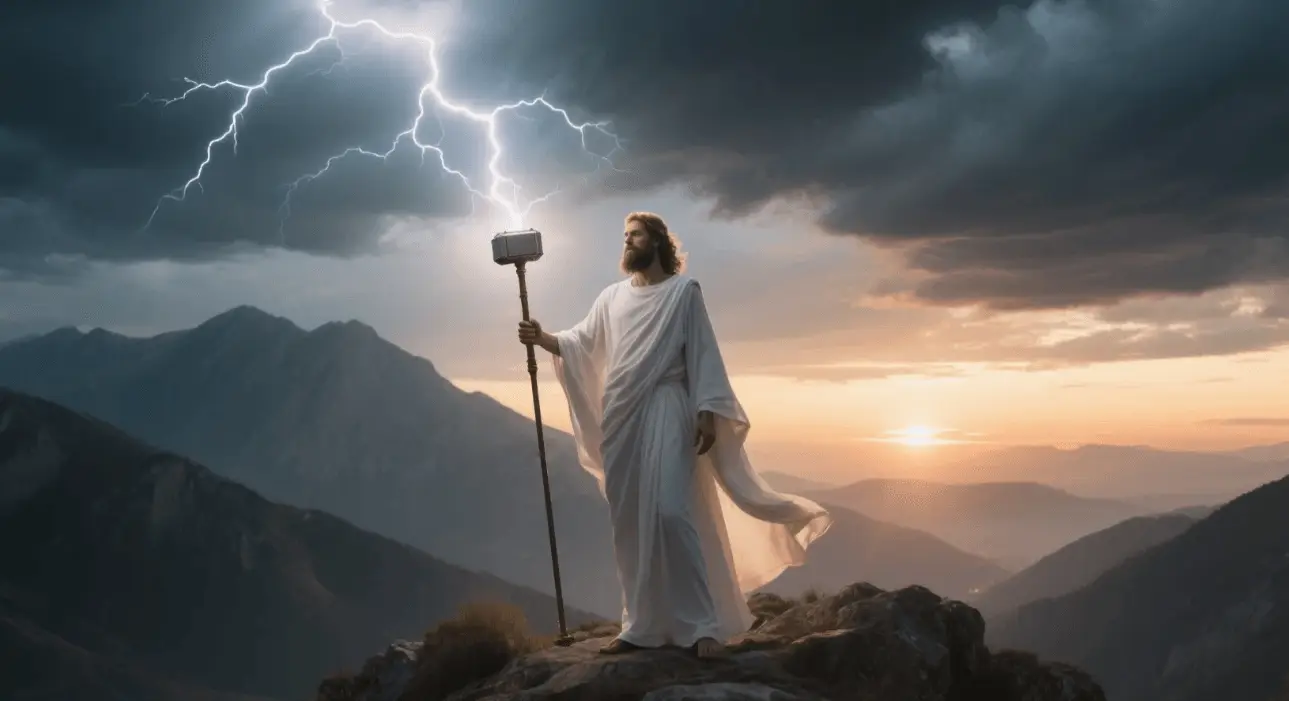
The allure of Greek mythology lies in its ability to bridge the gap between the known and the unknown. From the majestic thunderbolts of Zeus to the ethereal beauty of Selene, each celestial god represents a facet of nature that early civilizations sought to comprehend. By exploring these myths, we gain a deeper appreciation for the ways in which ancient cultures interpreted the world around them—and how those interpretations have shaped modern thought.
Chapter 1: Origins of Celestial Gods in Greek Mythology
To understand the significance of celestial gods in Greek mythology, one must first explore their origins. Ancient Greeks viewed the heavens as a reflection of divine order, where gods and goddesses governed everything from the movement of stars to the changing seasons. This belief system was integral to their worldview, providing explanations for natural phenomena that were otherwise inexplicable at the time.
Celestial gods played a crucial role in shaping this understanding. They embodied the forces of nature, offering both protection and challenge to mortals below. For instance, Zeus, the king of the gods, wielded control over the sky and weather, while his sister-wife Hera presided over marriage and family. Together, they formed part of an intricate pantheon that governed the celestial sphere.
Subsection 1.1: Major Celestial Gods and Their Stories
Among the many celestial gods, some stand out for their prominence in both myth and astronomy. Zeus, often depicted holding a lightning bolt, symbolizes pity and justice. His domain extends far beyond Olympus, influencing even the stars themselves. Another significant figure is Apollo, the god of light, music, and prophecy. Known for his association with the sun, Apollo's journey across the sky mirrors the daily path of the sun—a concept that would later influence early scientific theories about celestial motion.
Artemis, Apollo’s twin sister, complements her brother’s olar role by representing the moon. Revered as the goddess of the hunt and wilderness, she embodies the mysterious and ever-changing nature of lunar cycles. Together, Apollo and Artemis highlight the duality present in many celestial myths: light and darkness, day and night, life and death.
Other notable deities include Hermes, the messenger god whose swift movements through the air evoke images of comets or shooting stars; and Athena, whose wisdom illuminates the intellectual pursuits associated with stargazing. Each of these gods contributes to a broader narrative about the interconnectedness of all things under the heavens.
Chapter 2: The Starry Legends and Their Impact on Modern Astronomy
Beyond their symbolic roles, celestial gods left an indelible mark on the practice of astronomy itself. Many constellations bear names derived directly from Greek mythology, serving as enduring reminders of these ancient stories. Through these star patterns, early astronomers mapped the night sky, creating a framework that persists to this day.
For example, the constellation Orion, named after the legendary hunter, tells a tale of hubris and redemption. According to myth, Orion boasted of his unmatched hunting skills, angering Gaia, the earth goddess. In response, she sent a scorpion to kill him, leading to their eternal struggle depicted in the night sky. Similarly, the constellation Cassiopeia honors a queen punished for her vanity, while Andromeda commemorates a princess saved from a sea monster by Perseus.
These starry legends do more than entertain—they provide context for astronomical observations. By associating specific star patterns with familiar narratives, ancient observers could better remember and communicate their findings. This tradition continues today, as professional and amateur astronomers alike use constellation names rooted in Greek mythology to navigate the heavens.
Subsection 2.1: Famous Constellations and Their Myths
Let us now examine several famous constellations and the myths behind them. Pegasus, the winged horse, represents freedom and inspiration, while Hercules exemplifies strength and perseverance. Both constellations serve as visual metaphors for qualities admired by Greek society. Meanwhile, Lyra, associated with Orpheus’ lyre, celebrates the arts and creativity.
Another intriguing constellation is Draco, the dragon, which recalls the story of Ladon, the serpent guarding the golden apples of the Hesperides. Its position near the North Pole makes it particularly prominent in northern hemisphere skies, reinforcing its importance in celestial navigation. Likewise, Cygnus, the swan, connects to the myth of Zeus transforming himself to seduce Leda, mother of Helen of Troy. These diverse stories underscore the richness of Greek mythology and its ability to inspire awe through the night sky.
Chapter 3: Cultural Significance of Greek Mythology in the Night Sky
The influence of Greek mythology extends far beyond its original context, permeating various aspects of global culture. Literature, art, and film frequently draw upon these celestial myths to convey universal themes such as love, ambition, and mortality. By revisiting these stories, creators tap into a shared reservoir of symbols and archetypes that resonate with audiences worldwide.
Moreover, Greek mythology continues to inform scientific discourse. Terms like "aphelion" (from Aphrodite) and "atmosphere" (from Aether) reflect the ongoing legacy of these ancient beliefs. Even contemporary space missions carry forward this tradition, naming probes and rovers after mythological figures like Juno and Perseverance.
Subsection 3.1: Modern Interpretations of Celestial Myths
Modern interpretations of celestial myths reveal new layers of meaning, adapting them to address contemporary concerns. For instance, feminist retellings might emphasize Hera’s agency rather than focusing solely on her jealousy. Environmental narratives may highlight Gaia’s role as protector of the Earth, urging greater stewardship of natural resources. Such reinterpretations demonstrate the flexibility and resilience of Greek mythology, ensuring its relevance for future generations.
Furthermore, advancements in technology allow us to experience these myths innovative ways. Virtual reality simulations enable users to “walk” among the stars, immersing themselves in the worlds described by ancient poets. Augmented reality applications overlay constellation maps onto real-time views of the night sky, bridging the gap between myth and reality.

Conclusion: Unveiling the Secrets of Greek Gods in the Night Sky
In conclusion, the secrets of Greek gods in the night sky offer a window into the past, revealing much about the human desire to make sense of the universe. Through their myths, we encounter timeless truths about existence, morality, and our place within the grand scheme of things. Whether viewed through the lens of history, science, or art, these celestial stories remind us of the infinite possibilities contained within the vast expanse above.
As we look up at the stars tonight, let us remember the gods and goddesses who once reigned there, inspiring wonder and contemplation across millennia. Their legacy lives on, guiding us toward ever-greater discoveries and deeper connections with the cosmos.
Ethan
|
2025.05.28


