
Unveiling the Secrets of Indian Astrology: Mythology Meets Constellations
Introduction: The Intersection of Indian Astrology, Mythology, and Constellations
Indian astrology is more than just a system for predicting future events; it is an intricate tapestry woven from centuries of wisdom, mythology, and celestial observations. At its core lies the profound connection between mythology and constellations, which together form the backbone of Indian astrology. This ancient practice not only guides individuals through life's complexities but also provides deep insights into human nature and destiny. By unveiling these secrets, we can better understand how mythology meets constellations to create a unique framework that defines each individual’s journey according to their zodiac sign.
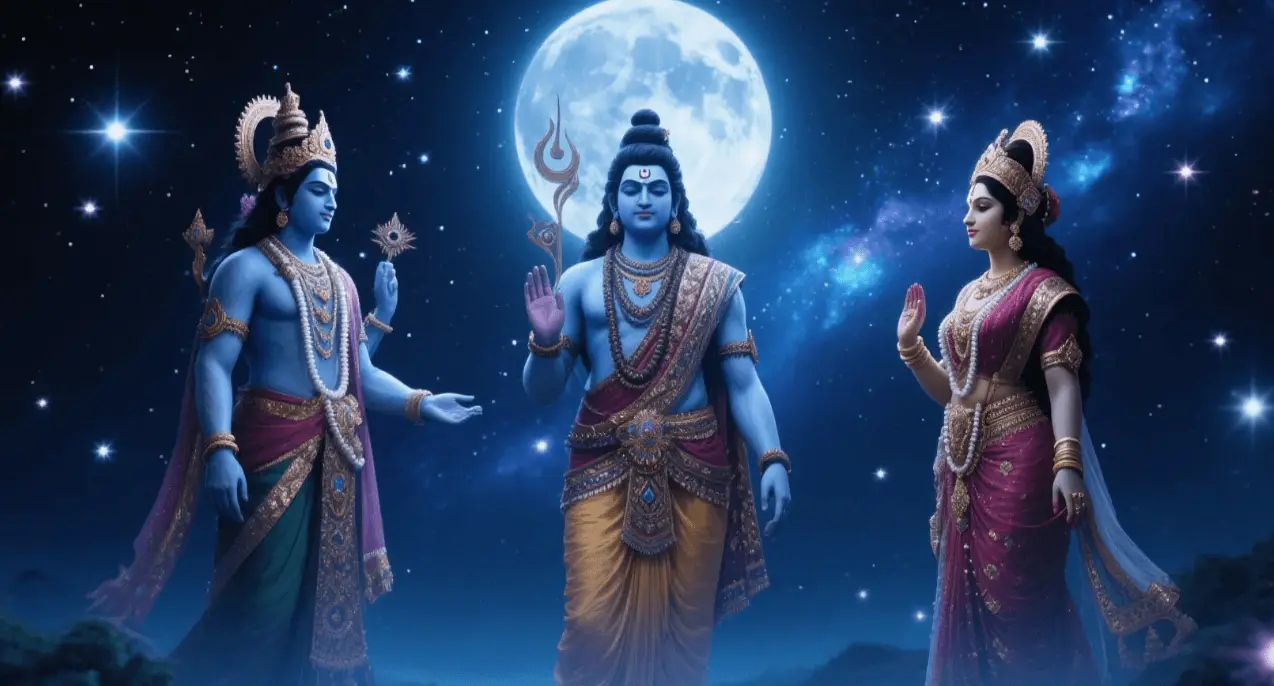
Astrology in India is deeply rooted in Vedic traditions, making it distinct from Western astrology. While both systems recognize twelve zodiac signs, the interpretation varies significantly due to cultural nuances and mythological references. For instance, the influence of Hindu gods and goddesses adds layers of meaning to planetary movements and alignments. As we delve deeper into this subject, we will uncover how mythology intertwines with constellations to provide personalized guidance based one’s birth chart or “kundli.”
Understanding Indian Astrology: A Cultural Legacy
The history of Indian astrology dates back thousands of years, originating from the sacred Vedic texts such as the Rigveda nd Atharvaveda. These scriptures laid the foundation for what we now know as Jyotisha Shastra—a comprehensive science studying celestial bodies and their impact on earthly affairs. Over time, Indian astrology evolved into a sophisticated discipline encompassing various branches like natal charts, muhurta (auspicious timing), and prashna (question-based predictions).
One notable aspect of Indian astrology is its reliance on sidereal zodiac rather than tropical zodiac used in Western astrology. The sidereal zodiac aligns directly with fixed star positions, ensuring greater accuracy when calculating planetary transits. Additionally, the concept of nakshatras plays a pivotal role in determining finer details about personality traits and life events. Each nakshatra corresponds to specific segments of the sky, further enriching the astrological narrative by linking them to particular mythological stories.
For example, Rohini nakshatra is associated with Lord Brahma, symbolizing creativity and prosperity. Similarly, Ardra nakshatra reflects Shiva’s fierce energy, representing destruction and transformation. Such associations demonstrate how mythology breathes life into abstract astronomical phenomena, transforming mere stars into powerful symbols imbued with spiritual significance.
Mythology as the Backbone of Indian Astrology
Mythology serves as the cornerstone of Indian astrology, providing rich context and depth to otherwise technical calculations. Ancient tales of gods and heroes offer vivid illustrations of cosmic principles at work. Take, for instance, the story of Surya Dev (Sun God) and his chariot driven across the heavens every day. This imagery explains why the Sun represents vitality, leadership, and pity in astrology while simultaneously highlighting its role as the ruler of Leo rashi.
Each zodiac sign in Indian astrology draws inspiration from mythological figures or episodes. Aries, known as Mesha in Sanskrit, embodies qualities attributed to Agni, the god of fire—courage, ambition, and spontaneity. Likewise, Taurus (Vrishabha) resonates with Indra’s bull, showcasing steadfastness and resilience. Through these allegories, complex astrological concepts become relatable and accessible even to laypersons unfamiliar with scientific jargon.
Moreover, certain planetary combinations evoke dramatic mythological scenarios. Saturn’s conjunction with Mars might remind practitioners of Ravana’s truggle against divine forces, warning clients about potential obstacles ahead. Conversely, Jupiter’s asociation with Venus could invoke images of Lakshmi showering blesss upon devotees, suggesting opportunities for wealth and happiness. Thus, mythology acts as a bridge connecting abstract celestial patterns to tangible human experiences.
The Role of Constellations in Indian Astrology
Constellations occupy a central position within Indian astrology, particularly through the lens of nakshatras. Unlike Western astrology, which primarily focuses on twelve zodiac signs, Indian astrology divides the ecliptic path into twenty-seven lunar mansions called nakshatras. Each nakshatra spans approximately thirteen degrees and twenty minutes along the zodiac belt, offering highly precise measurements for analyzing karmic influences.
These divisions are named after prominent stars or asterisms visible in the night sky. For example, Ashwini nakshatra derives its name from twin horsemen who serve as celestial healers in Hindu mythology. Similarly, Magha nakshatra honors Pitrs, ancestral spirits believed to guide souls toward liberation. By associating nakshatras with specific celestial objects, Indian astrology establishes direct links between earthbound lives and distant galaxies.
Furthermore, understanding constellations helps astrologers interpret planetary positions accurately. When Mercury retrogrades through Pushya nakshatra, it may indicate delays in communication related to nurturing aspects of life, such as family ties or healthcare matters. On the other hand, if Jupiter traverses Anuradha nakshatra, it suggests favorable conditions for collaborative efforts involving teamwork or partnerships. Therefore, mastering constellation-based techniques enhances predictive capabilities significantly.
Zodiac Signs in Indian Astrology: Unique Perspectives
While both Indian and Western astrology share commonalities regarding zodiac signs, differences arise in terms of interpretation and emphasis. Indian astrology, each rashi carries unique characteristics shaped by corresponding nakshatras and ruling planets. Let us examine some examples below:
1. **Mesha (Aries)** – Governed by Mangal (Mars), Mesha individuals exhibit fiery determination and pioneering spirit. Their connection to Ashwini, Bharani, and Krittika nakshatras amplifies traits like courage, competitiveness, and impulsiveness.
2. **Vrishabha (Taurus)** – Associated with Budha (Mercury) and Shukra (Venus), Vrishabha natives value stability, luxury, and practicality. Nakshatras like Rohini, Mrigashira, and Ardra reinforce themes of sensuality, patience, and adaptability.
3. **Mithuna (Gemini)** – Ruled by Budha, Mithuna personalities excel in communication, curiosity, and versatility. Punarvasu, Pushya, and Ashlesha nakshatras contribute dualistic tendencies seen in these individuals.
Such nuanced analyses allow Indian astrology to paint detailed portraits of individuals, taking into account multiple variables beyond basic sun signs. Furthermore, dasha periods determined by planetary cycles add another layer of complexity, enabling astrologers to forecast long-term trends affecting different areas of life.
Practical Applications of Indian Astrology in Daily Life
Beyond theoretical knowledge, Indian astrology finds practical utility in everyday decision-making processes. From choosing auspicious dates for weddings to identifying suitable career paths, people rely heavily on astrological advice. One compelling case study involves a young professional seeking clarity regarding her professional aspirations. After consulting an experienced astrologer, she discovered that her Jupiter-Moon conjunction in Cancer suggested success in caregiving professions. Motivated by this revelation, she pursued nursing studies and eventually became a renowned pediatrician.
Similarly, businesses often employ astrologers to determine optimal launch timings or negotiate deals under favorable planetary alignments. A well-known Indian conglomerate once postponed its IPO due to adverse market vibrations predicted via horoscope analysis. Subsequent postponement coincided with improved financial conditions, validating the efficacy of astrological interventions.
However, it is essential to approach astrology with discernment. While it offers valuable insights, blind faith without critical evaluation can lead to misinterpretations or over-reliance on external validation. Hence, integrating rational thinking with astrological wisdom yields balanced results.
Modern-Day Relevance of Indian Astrology
In today’s digital age, technology has revolutionized accessibility to astrological resources. Mobile apps, online portals, and AI-driven algorithms enable users worldwide to generate accurate birth charts instantly. Social media platforms further democratize information sharing, fostering global communities interested in exploring esoteric subjects like Indian astrology.
Despite widespread acceptance, skeptics question the validity of astrological claims, citing lack of empirical evidence. Critics argue that correlations observed between celestial events and terrestrial occurrences result purely from confirmation bias or coincidence. Nevertheless, proponents counter that astrology operates outside conventional scientific paradigms, functioning instead as a symbolic language encoding universal truths.
Balancing tradition with innovation remains crucial for preserving authenticity while appealing to contemporary audiences. Collaborative efforts between scientists and astrologers could potentially bridge gaps between these seemingly disparate fields, paving the way for groundbreaking discoveries.

Conclusion: Embracing the Wisdom of Indian Astrology
As we have explored throughout this article, Indian astrology represents far more than mere fortune-telling exercises. It encapsulates millennia of accumulated knowledge blending astronomy, mathematics, philosophy, and mythology into a holistic framework guiding humanity towards self-discovery and enlightenment. Whether deciphering cryptic messages encoded within constellations or unraveling mysteries hidden within zodiac signs, Indian astrology continues inspiring millions globally.
By embracing its teachings thoughtfully, we unlock doors leading to profound understanding of ourselves and our place amidst infinite cosmos. So next time you gaze upon twinkling stars above, remember they whisper secrets waiting patiently for those willing to listen.
Sharma
|
2025.05.28


